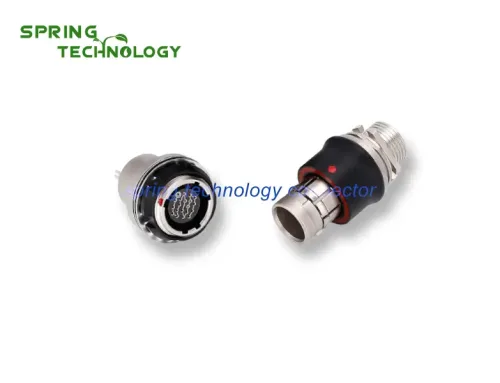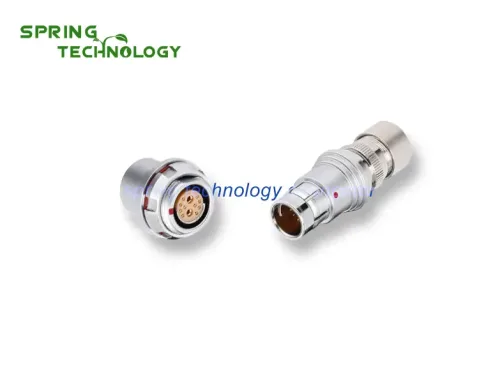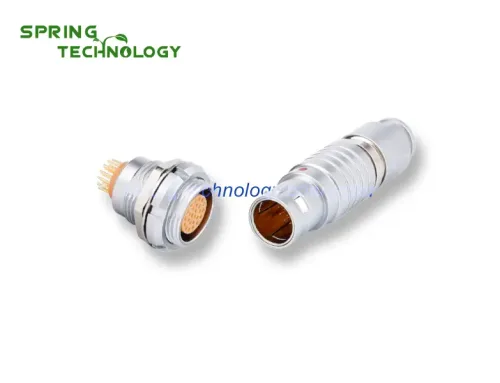


Connector usage guidelines are essential for maintaining reliable electrical connections throughout product lifecycles. Proper connector storage and handling practices prevent unnecessary failures, safety hazards, and costly replacements. When receiving electronic connectors, careful inspection of packaging and connector condition ensures only undamaged components enter your assembly process. Improper storage conditions—including sunlight exposure, high temperatures, humidity, and chemical contamination—can permanently damage connectors before first use.
According to 2025 industry data, improper connector handling and storage account for approximately 15% of field failures in electronic systems. Following established connector best practices for receiving, storage, handling, and usage can significantly reduce failure rates and extend connector service life across industrial, automotive, telecommunications, and consumer applications.

Receiving Inspection: First Line of Defense
Outer Packaging Examination
When receiving electronic connectors, the first quality checkpoint occurs during receiving inspection. Carefully observe the outer packaging for:
- Visible Damage: Crushed boxes, punctured containers, or water damage indicators
- Seal Integrity: Broken moisture barrier seals or desiccant saturation
- Label Verification: Correct part numbers, quantities, and lot codes
- Documentation: Certificates of conformity, test reports, and traceability records
Connector Visual Inspection
After verifying packaging integrity, inspect connectors themselves for:
- Housing Condition: Cracks, chips, or deformation in plastic/metal housings
- Contact Condition: Bent, missing, or corroded contact pins
- Plating Integrity: Discoloration, peeling, or uneven plating on contact surfaces
- Sealing Elements: Damaged or missing O-rings, gaskets, and seals
Ensuring connectors arrive in good condition prevents downstream assembly issues and field failures. Document any discrepancies immediately and quarantine affected components pending supplier resolution.
Proper Storage Conditions for Connectors
Environmental Control Requirements
Proper connector storage requires controlled environmental conditions to preserve component integrity:
- Temperature Range: Store between +5°C to +35°C (+41°F to +95°F)
- Relative Humidity: Maintain 30%-60% RH to prevent condensation and corrosion
- Air Quality: Avoid environments containing corrosive gases (sulfur dioxide, chlorine, hydrogen sulfide)
- Dust Control: Clean storage areas minimize contamination of contact surfaces
Sunlight Exposure Prevention
Connectors must never be stored in direct sunlight. Ultraviolet (UV) radiation causes:
- Plastic Degradation: Housing materials become brittle and crack over time
- Seal Deterioration: Rubber seals and gaskets harden, losing elasticity
- Color Fading: UV exposure bleaches housing colors, affecting identification
- Thermal Stress: Sunlight-induced heat accelerates material aging
Store connectors in opaque containers or covered shelving away from windows and UV light sources. Long-term sunlight exposure transforms functional connectors into non-conductive waste.
Temperature and Humidity Management
Continuous high temperature or high humidity environments damage electronic connectors:
- High Temperature Effects: Accelerates oxidation, degrades insulation materials, reduces contact spring elasticity
- High Humidity Effects: Promotes corrosion, reduces insulation resistance, causes condensation inside housings
- Thermal Cycling: Repeated temperature changes cause expansion/contraction stress on materials
Avoid storage near heat sources (ovens, furnaces, direct HVAC discharge) and in damp locations (basements, uncontrolled warehouses). Use climate-controlled storage rooms for long-term connector inventory.
Chemical Contamination Prevention
Environments containing chemical substances pose severe risks to connector storage:
- Corrosive Gases: Sulfur compounds, chlorine, and acidic vapors attack metal contacts and housings
- Solvent Exposure: Organic solvents can dissolve or craze plastic housings
- Salt Spray: Marine environments accelerate corrosion of unplated or damaged surfaces
Store connectors away from chemical processing areas, cleaning stations, and outdoor locations exposed to industrial pollution. The outer metal protective layer loses effectiveness when corroded, exposing internal current circuits to damage.
Safe Handling Practices
Careful Movement and Transport
When moving connectors, follow careful handling procedures:
- Avoid Dropping: Impact can bend contacts, crack housings, or damage internal components
- Protect from Hard Objects: Prevent contact with metal tools, workbench edges, or other hard surfaces
- Use Proper Containers: Store in original packaging or dedicated connector trays during transport
- No Stacking Heavy Items: Never place heavy objects on top of connector storage containers
ESD (Electrostatic Discharge) Protection
For connectors with integrated electronics or sensitive contacts:
- Grounded Workstations: Use ESD-safe work surfaces and wrist straps
- Antistatic Packaging: Store in ESD-safe bags or containers
- Humidity Control: Maintain adequate humidity to reduce static charge generation
- Handling Procedures: Train personnel on ESD-safe handling techniques
Grease and Oil Contamination
Grease and oil represent significant threats to connector functionality:
- Contact Contamination: Oils create insulating films on contact surfaces, increasing resistance
- Seal Degradation: Petroleum-based products can swell or dissolve rubber seals
- Dust Attraction: Oily surfaces attract dust and debris, compounding contamination
During connector storage and use, prevent contact with grease, oils, lubricants, and handling compounds. Although these seem like minor concerns, contamination can render connectors non-functional, creating significant work obstacles and replacement costs.
Connector Usage Best Practices
Pre-Mating Inspection
Before connecting electronic connectors:
- Visual Check: Verify no visible damage, contamination, or bent contacts
- Clean Contacts: Remove dust or debris using approved cleaning methods
- Verify Compatibility: Ensure mating connectors are correct match (keying, gender, size)
- Check Seals: Confirm sealing elements are present and undamaged for environmental connectors
Proper Mating Techniques
Correct connector mating prevents damage during connection:
- Alignment: Ensure proper orientation before applying mating force
- Gentle Engagement: Apply steady, axial force—never twist or rock during mating
- Full Engagement: Verify complete mating (audible click for push-pull, full thread engagement for threaded)
- Strain Relief: Secure cable connections to prevent stress on connector interfaces
Disconnection Procedures
Safe connector unmating preserves connector life:
- Release Mechanisms: Use proper release sleeves, levers, or tools
- Axial Pull: Pull straight apart—avoid angular forces that bend contacts
- Cable Support: Hold connector bodies, not cables, during disconnection
- Cap Protection: Immediately install dust caps on unmated connectors
Industry-Specific Storage Guidelines
Industrial Automation
Factory environments present unique connector storage challenges:
- Dust Control: Store in sealed cabinets away from machining operations
- Vibration Isolation: Prevent damage from nearby equipment vibration
- Chemical Segregation: Separate from cutting fluids, coolants, and cleaning solvents
Automotive Applications
Automotive connector handling requires special considerations:
- ESD Protection: Critical for connectors with integrated electronics
- Traceability: Maintain lot tracking for recall management
- Shelf Life: Monitor storage duration per manufacturer specifications
Aerospace and Defense
High-reliability applications demand stringent connector storage:
- Controlled Environments: Temperature and humidity monitoring with documentation
- Shelf Life Control: First-in-first-out (FIFO) inventory management
- Certification Retention: Maintain traceability documentation throughout storage period
2026 Connector Storage Technology Trends
Connector storage and handling practices continue evolving with technological advances:
- Smart Storage Systems: IoT-enabled cabinets monitor temperature, humidity, and access in real-time
- Automated Inventory: RFID tracking provides automatic stock counts and shelf-life alerts
- Climate-Controlled Packaging: Advanced moisture barrier bags with integrated humidity indicators
- ESD-Safe Automation: Robotic handling systems eliminate human ESD risks
- Predictive Analytics: AI-driven systems predict optimal storage conditions based on connector materials and environmental data
Conclusion
Proper connector usage guidelines encompass receiving inspection, environmental control, careful handling, and correct mating procedures. Connector storage conditions—avoiding sunlight, high temperatures, humidity, and chemical contamination—directly impact component reliability and service life. Simple precautions like preventing grease contact, avoiding mechanical damage, and using proper mating techniques prevent costly failures and safety hazards.
Following established connector best practices reduces field failures, extends component life, and ensures reliable electrical connections across all applications. Whether storing electronic connectors short-term in production environments or long-term in distribution warehouses, proper handling and storage represent essential quality control measures that protect your investment and maintain system reliability.
As connector technology advances toward miniaturization, higher performance, and harsher operating conditions, proper storage and handling become increasingly critical. Understanding and implementing comprehensive connector usage guidelines enables organizations to maximize connector performance while minimizing premature failures and replacement costs.
Frequently Asked Questions (FAQ)
Q1: What is the ideal temperature range for connector storage?
A: Store electronic connectors between +5°C to +35°C (+41°F to +95°F). Avoid temperature extremes and rapid temperature changes that cause condensation or material stress. Climate-controlled storage rooms provide optimal conditions for long-term connector preservation.
Q2: How long can connectors be stored before use?
A: Properly stored connectors typically maintain full functionality for 3-5 years from manufacture date. However, shelf life varies by manufacturer and connector type. Always check manufacturer specifications and implement FIFO (first-in-first-out) inventory management.
Q3: What damage does sunlight cause to connectors?
A: UV radiation from sunlight degrades plastic housings (becoming brittle and cracking), deteriorates rubber seals (losing elasticity), fades color coding, and accelerates thermal aging. Never store connectors in direct sunlight—use opaque containers or covered shelving.
Q4: How should I clean connectors before mating?
A: Use manufacturer-approved cleaning methods: compressed air for dust removal, isopropyl alcohol (99%) for contamination, and lint-free swabs for contact cleaning. Avoid abrasive materials or harsh solvents that damage plating or housing materials.
Q5: What happens if connectors contact grease or oil?
A: Grease and oil create insulating films on contact surfaces (increasing resistance), can degrade rubber seals, and attract dust contamination. Contaminated connectors may become non-functional. Prevent grease contact during storage and handling—clean immediately if contamination occurs.
Extended Reading
- How to Choose an Electronic Connector – Comprehensive connector selection guide covering all critical factors
- What Is Push-Pull Circular Connector? – Connector technology and proper mating techniques