

Description: Learn the key differences between connectors, terminals, and terminal blocks. This comprehensive guide explains connector classifications, applications, and industry terminology for electrical and electronic connections in 2026.

1. Introduction: Understanding Connector Terminology
The electrical connection industry uses many terms that can be confusing: connectors, terminals, terminal blocks, and more. While these terms are sometimes used interchangeably, they have distinct meanings and applications in electrical and electronic systems.
An electrical connector (abbreviated as connector) is a sub-category of electronic components primarily used for connections between circuits. In industrial production, line connections are ubiquitous, making connectors essential across various industries including automation, telecommunications, automotive, aerospace, and consumer electronics.
The global electrical connector market is projected to reach USD 112.8 billion by 2026 (CAGR 5.3%), driven by increasing demand for reliable interconnect solutions in emerging technologies.
2. What Are Connectors?
2.1 Connector Definition and Function
A connector is an electromechanical device that joins electrical circuits together. Connectors provide:
- Removable connection points for maintenance and replacement
- Signal and power transmission between components
- Mechanical support for cable assemblies
- Environmental protection for electrical connections
- Shielding against electromagnetic interference (EMI)
2.2 Main Connector Categories
Connectors are classified into many categories based on shape, application, and connection method:
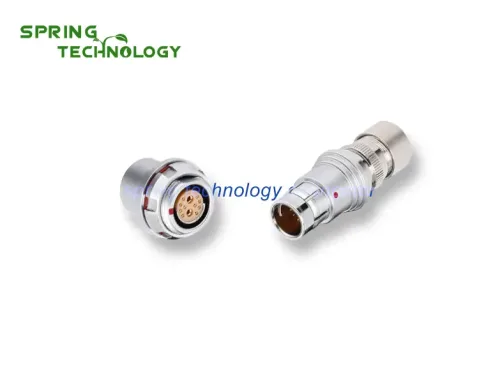
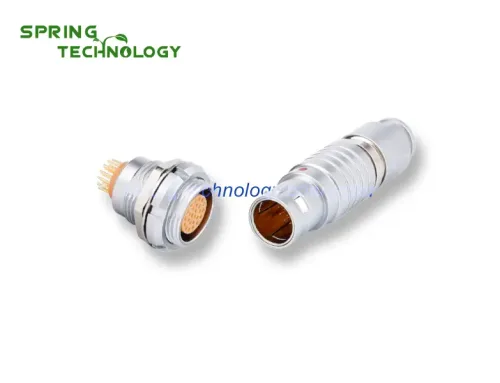
- Circular connectors: Round shell design for robust industrial and military applications
- Rectangular connectors: Box-shaped housing for PCB and panel mounting
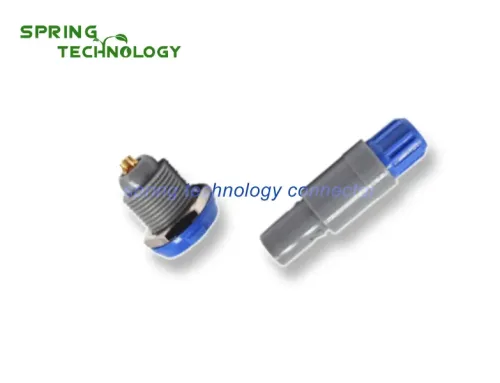
- Push-pull connectors: Self-latching mechanism for quick connection/disconnection
- Board-to-board connectors: Direct PCB interconnection
- Wire-to-board connectors: Cable to PCB connection
- Wire-to-wire connectors: Cable to cable connection
2.3 Connector Applications by Industry
Connectors serve diverse applications across industries:
- Industrial automation: Robotics, PLC systems, sensors
- Telecommunications: Network equipment, base stations
- Automotive: EV charging, infotainment, ADAS systems
- Aerospace & Defense: Avionics, communication systems
- Medical devices: Diagnostic equipment, patient monitors
- Consumer electronics: Smartphones, computers, wearables
3. What Are Terminals and Terminal Blocks?
3.1 Terminal Definition
A terminal refers to the contact point where electrical connections are made. Terminals can be:
- Individual contact points within a connector
- Soldered or crimped wire ends
- Screw-type connection points
- Spring-loaded contact surfaces
3.2 Terminal Block Definition and Classification
A terminal block (also called terminal strip or connection terminal) is a type of connector, usually classified as a rectangular connector. Terminal blocks feature:
- Modular housing with multiple connection points
- Screw, spring, or push-in termination methods
- DIN rail or panel mounting options
- Insulated barriers between terminals
3.3 Terminal Block Types
Beyond PCB board terminals, widely used terminal types include:
- Hardware terminals: Screw-type for secure wire connection
- Nut terminals: Bolt/nut fastening for high-current applications
- Spring terminals: Spring-loaded for quick tool-free connection
- PCB terminals: Direct soldering to printed circuit boards
- Feed-through terminals: Wire-to-wire connection in control panels
- Ground terminals: Dedicated grounding connections
3.4 Power Industry Terminal Applications
In the electric power industry, special terminal blocks and terminal boxes are extensively used:
- Single-layer and double-layer terminals
- Current terminals (for CT connections)
- Voltage terminals (for PT connections)
- Common/neutral terminals
- Breakable/test terminals (for metering and testing)
- Fused terminals (with integrated protection)
4. Key Differences: Connectors vs. Terminals vs. Terminal Blocks
4.1 Structural Differences
| Feature | Connectors | Terminals | Terminal Blocks |
|---|---|---|---|
| Housing | Plastic/metal shell | Often bare or minimal | Modular insulated housing |
| Mating | Plug and receptacle | Wire termination only | Screw/spring connection |
| Removability | Frequently disconnected | Permanent/semi-permanent | Occasional disconnection |
4.2 Application Differences
Connectors: Used for frequent connection/disconnection in dynamic applications (cable assemblies, equipment interfaces, portable devices)
Terminals: Used for permanent or semi-permanent wire terminations (wire ends, component leads, PCB connections)
Terminal Blocks: Used for fixed installations requiring organized wire management (control panels, distribution cabinets, junction boxes)
4.3 Industry Usage Patterns
- Electronics manufacturing: Primarily connectors and PCB terminals
- Industrial control: Terminal blocks dominate control panels
- Automotive: Specialized connectors for harsh environments
- Power distribution: Heavy-duty terminals and terminal blocks
- Telecommunications: High-density connectors and patch panels
5. Connector Selection Guidelines
5.1 Electrical Requirements
When selecting connectors or terminals, consider:
- Voltage rating: Maximum operating voltage
- Current rating: Maximum current per contact
- Contact resistance: Should be low for efficient power transfer
- Insulation resistance: High resistance between contacts
- Dielectric strength: Withstand voltage without breakdown
5.2 Mechanical Requirements
Mechanical considerations include:
- Mating cycles: Number of connect/disconnect operations
- Wire size range: Compatible conductor diameters
- Mounting style: Panel, PCB, DIN rail, or free-hanging
- Locking mechanism: Screw, push-pull, bayonet, or friction
- Strain relief: Cable support to prevent wire damage
5.3 Environmental Requirements
Environmental factors affecting connector selection:
- Operating temperature: Minimum and maximum temperatures
- IP rating: Ingress protection against dust and water
- Corrosion resistance: Salt spray, chemical exposure
- Vibration and shock: Mechanical stress resistance
- UV resistance: For outdoor applications
6. 2026 Connector Industry Trends
6.1 Miniaturization and High Density
Modern electronics demand smaller, higher-density connectors:
- Reduced pitch sizes for compact devices
- More contacts in smaller footprints
- Maintained performance despite size reduction
- Integration with flexible and rigid-flex circuits
6.2 High-Speed Data Transmission
Increasing data rates require advanced connector designs:
- Impedance control for signal integrity
- Shielding for EMI/RFI protection
- Low insertion loss for high-frequency signals
- Support for USB, Ethernet, PCIe, and other high-speed protocols
6.3 Electrification and High Power
Electric vehicles and renewable energy drive high-power connector demand:
- Higher current ratings (100A, 200A, 400A+)
- Enhanced thermal management
- Safety features (interlocks, HVIL)
- Fast charging infrastructure compatibility
6.4 Smart and Connected Systems
Industry 4.0 and IoT increase connector complexity:
- Integrated sensors in connectors
- Smart monitoring of connection status
- Predictive maintenance capabilities
- Network connectivity for industrial systems
Conclusion
Understanding the differences between connectors, terminals, and terminal blocks is essential for proper component selection in electrical and electronic systems. While these terms are sometimes used interchangeably in casual conversation, they represent distinct products with specific applications:
- Connectors: Removable interfaces for frequent mating/unmating
- Terminals: Contact points for wire or component termination
- Terminal Blocks: Modular connection systems for organized wire management
As the connector industry continues to evolve in 2026, selecting the right interconnect solution requires careful consideration of electrical, mechanical, and environmental requirements.
FAQ
Q1: Can I use a terminal block instead of a connector?
A: It depends on the application. Terminal blocks are suitable for fixed installations with occasional disconnection. For frequent mating/unmating, use proper connectors designed for that purpose.
Q2: What is the difference between a terminal and a connector contact?
A: A terminal is typically a standalone connection point, while a connector contact is part of a connector system. Connector contacts are designed to mate with corresponding contacts in a complementary connector.
Q3: Are terminal blocks considered connectors?
A: Yes, terminal blocks are technically a type of connector, usually classified under rectangular connectors. However, they serve specific applications in control panels and power distribution.
Q4: How do I choose between screw terminals and spring terminals?
A: Screw terminals provide secure, permanent connections ideal for high-vibration environments. Spring terminals offer faster installation and are suitable for applications requiring occasional rewiring.
Extended Reading
Explore more about connector technology and applications:
Xi’an spring technology Co., Ltd. is a professional push pull connector manufacturer integrating connector research and development, production and sales.
Contact me for more info and best price: [email protected], [email protected]
Visit our website: https://www.spring-connectors.com/