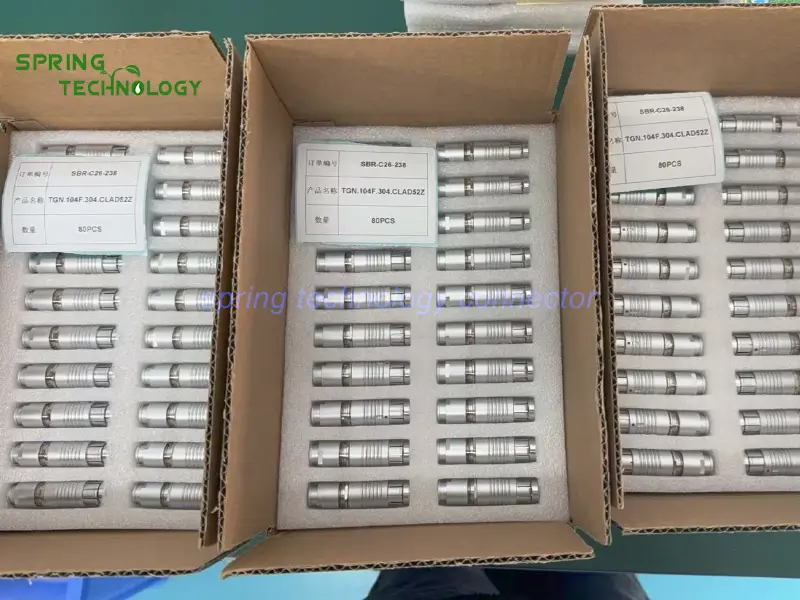


TG Body Style 4F Series Connectors for Torque Calibration Analyzers 2026: 4-Pin Plugs for Portable Sensor Interfaces
The TG Body Style 4F Series 4-pin connector from Spring Technology can be evaluated for sensor and control connections in portable digital torque calibration analyzers — a compact detachable 4F platform plug with four low-voltage contacts, push-pull locking, solder termination, IP68 protection (mated), operation from -55 °C to +145 °C, more than 3,000 mating cycles and a cable opening range of 1.5–9.7 mm. Every specification in this guide is backed by the precision measurement instrument interconnect engineering of Spring Technology.
Pain point: Linking a torque transducer to a portable analyzer’s measurement electronics — where the sensor is a precision component that must be swapped and recalibrated, contact count is limited, and the enclosure is already packed with electronics, display and battery?
Core answer: Spring Technology supplies the TG Body Style 4F Series 4-pin connector as a detachable interface for suitable low-voltage sensor or control circuits in this type of instrument. Portable digital torque calibration analyzers verify the torque output of electric screwdrivers, torque wrenches and other precision fastening tools, helping manufacturers and maintenance teams confirm that fastening equipment operates within specified torque limits. Inside the analyzer, the sensor interface connects the torque transducer to the instrument’s measurement electronics and, depending on the design, may carry sensor excitation, measurement signals, identification signals or other low-voltage connections — making a compact interface with a limited number of electrical connections a practical fit for sensor replacement, calibration and maintenance.
1. Technical Parameters & Engineering Standards
These TG body style 4F series connectors for torque calibration analyzers are built on the 4F platform, a compact shell size in Spring Technology’s push-pull circular connector range with a straight plug body style.
- Latching Mechanism: Push-pull locking (mate and unmating through a push-pull operation rather than a threaded coupling procedure)
- Recommended Hardware: Spring Technology Circular Connector
- Key Metric: 4 low-voltage contacts; IP68 (mated); -55 °C ~ +145 °C; >3,000 mating cycles
| Parameter | Value |
|---|---|
| Plug (this order) | TG Body Style 4F Series 4-pin plug (TGN.104F straight plug body style) |
| Contacts | 4 low-voltage contacts |
| Protection | IP68 (mated) |
| Pin counts available | 2–19 pins across the 4F shell |
| Termination | Solder |
| Fastening type | Push-pull |
| Operating temperature | -55 °C ~ +145 °C (4F platform) |
| Vibration resistance | 10–20000 Hz, 147 m/s², ≤1 µm instantaneous break |
| Mating cycles | >3,000 cycles |
| Cable opening | 1.5–9.7 mm (4F platform) |
| Orientation / keying | Position N (with A, B variants) |
| Housing | Chrome-plated shell, silver or black, with PPS insulator |
Note: variants differ by material, contact configuration, termination and other design details — verify the exact model’s current rating, voltage rating, mating-cycle specification and ingress protection level rather than assuming all 104F connectors share identical performance. The connector must also suit the sensor’s electrical requirements, particularly where measurement accuracy depends on low-noise connections or carefully controlled grounding.
2. TG Body Style 4F Series Design Highlights
Calibration instruments live on repeatable measurement. The design advantages below explain why these TG body style 4F series connectors for torque calibration analyzers suit portable torque sensor interfaces:
2.1 Four Contacts for Compact Sensor Connections
- A portable torque calibration analyzer needs a reliable electrical interface between its torque sensor and measurement electronics, and depending on the sensor architecture a small number of contacts may be sufficient for the required low-voltage circuits. The four-contact configuration consolidates suitable sensor or auxiliary connections into one connector interface, simplifying cable routing and reducing the need for multiple separate connectors. The actual contact assignment must be determined from the transducer and analyzer schematics — four contacts should not be assumed to support every bridge-sensor or encoder configuration.
2.2 Push-Pull Locking for Efficient Equipment Setup
- Torque calibration equipment may be connected and disconnected during instrument setup, sensor replacement or routine maintenance. Variants with push-pull locking allow mating and unmating through a push-pull operation rather than a threaded coupling procedure, helping technicians connect a compatible sensor cable efficiently while reducing time spent on routine handling. The selected plug and mating receptacle must be confirmed as compatible, and the connector operated according to the manufacturer’s instructions.
2.3 A Detachable Interface for Sensor Maintenance
- Torque transducers are precision components that may need inspection, recalibration or replacement, and a detachable connector interface allows the sensor cable to be disconnected without individually removing its conductors from the instrument. Incorporated into a well-designed analyzer, the 4-pin connector supports a modular connection between the sensor assembly and the measurement unit, simplifying servicing and reducing wiring work when replacing a compatible sensor or cable assembly.
2.4 Compact Integration in Portable Test Instruments
- Portable calibration analyzers must accommodate measurement electronics, displays, batteries, sensor connections and protective housings within a limited enclosure. A compact circular connector provides a defined cable interface while helping designers organise the mechanical layout, and the short-plug form available in the 104F family is worth evaluating when connector clearance is limited. The actual packaging benefit depends on the complete model dimensions, cable diameter, strain-relief arrangement and mounting design.
2.5 A Defined Interface for Repeatable Testing Workflows
- Torque calibration requires consistent measurement procedures and reliable connections between the sensor and the instrument. A defined connector interface standardises how compatible sensors are connected across testing sessions, and when the pin assignment is documented and the correct cable assembly is used, equipment setup and troubleshooting become more straightforward. For manufacturers supporting multiple analyzer configurations, a standardised connector interface also helps organise replacement cables and service procedures.
2.6 Model Selection for the Required Operating Environment
- Calibration equipment may be used on production floors, in maintenance workshops or in dedicated metrology laboratories, so connector selection should account for handling frequency, vibration, contamination, temperature and other environmental conditions. Because variants differ by material, contact configuration and termination, engineers should verify the exact model’s current rating, voltage rating, mating-cycle specification and ingress protection level rather than assuming all 104F connectors share identical performance.
3. Why Consider the TG Body Style 4F Series 4-Pin Connector?
For portable digital torque calibration analyzers, the connector is part of the measurement interface between the sensor and the instrument’s electronics — the design focus behind these TG body style 4F series connectors for torque calibration analyzers is reliable electrical contact, practical handling and straightforward servicing. The 4-pin connector may be a candidate for suitable low-voltage sensor and control connections where four contacts are sufficient:
- Four low-voltage contacts for compact sensor interfaces
- Push-Pull locking for convenient connection and disconnection
- Detachable design for transducer inspection, recalibration and replacement
- IP68 protection (mated) with a -55 °C ~ +145 °C operating range
- More than 3,000 mating cycles for repeated sensor changes
- Cable opening range of 1.5–9.7 mm with solder termination
Before selecting the connector, engineers should confirm the full part number, compatible mating connector, contact assignment, electrical ratings and environmental requirements. Sensor compatibility and measurement performance must be validated as part of the complete instrument design.
4. 4F Series Connector Family Overview
The 4F shell belongs to Spring Technology’s lightweight push-pull connector family for portable and precision equipment. The same platform serves this TG body style 4F series connectors for torque calibration analyzers range and scales across pin counts and body styles.
4.1 Available Configurations
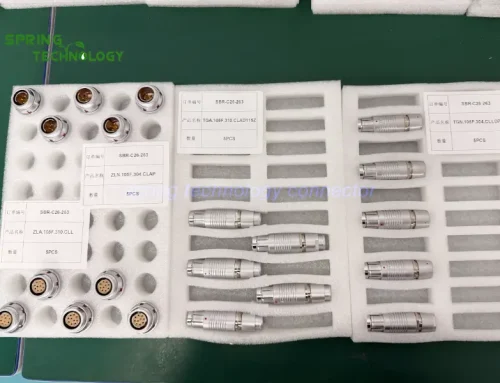
- Plugs (TG body style): straight plugs including short-plug and bend-relief versions for cable assemblies.
- Receptacles (ZL body style): hermetic sockets for equipment-side mounting.
- Pin counts: 2–19 contacts across the 4F shell, including the 4-contact layout.
- Keying: orientation positions N (A, B) to prevent mismating across instrument variants.
4.2 Customization Services
- Custom contact allocations and part numbers matched to each instrument’s sensor wiring plan.
- Low-noise cable assembly builds with defined cable opening ranges and strain relief.
- Shielding and grounding verification for transducer measurement circuits.
- Mating plug / receptacle selection support, including keying and contact-layout confirmation.
5. Applications: Portable Torque Calibration Instruments
These are potential engineering applications for these TG body style 4F series connectors for torque calibration analyzers, based on the connector configuration — not verified installations in specific analyzer brands or models:
5.1 Portable Digital Torque Calibration Analyzers
Portable digital torque calibration analyzers and electric screwdriver torque verification instruments.
5.2 Torque Transducer Signal Interfaces
Torque transducer signal interfaces and low-voltage sensor connections in precision measurement instruments.
5.3 Fastening-Tool Maintenance Equipment
Industrial fastening-tool maintenance equipment used to confirm torque output within specified limits.
6. Frequently Asked Questions (FAQ)
Conclusion & Call to Action
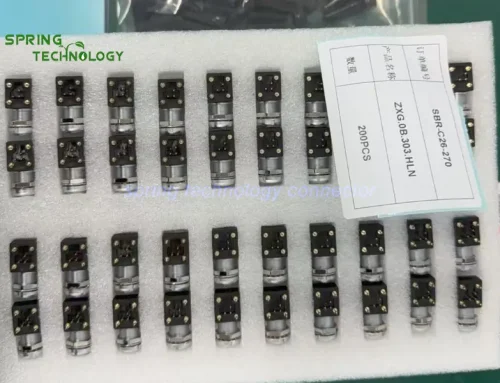
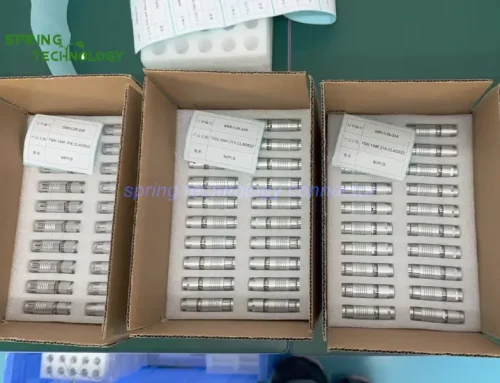
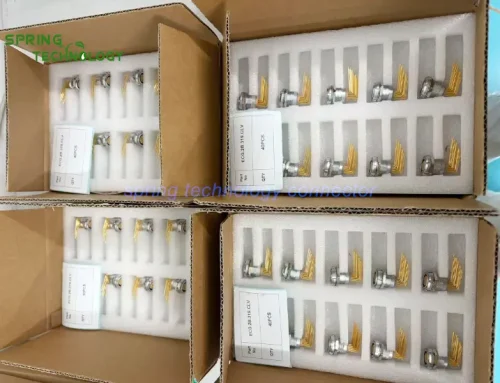
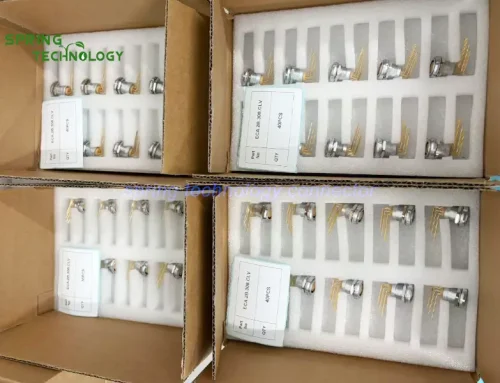
This 4F connector delivery shows how Spring Technology serves precision measurement instruments — from the compact four-contact sensor interface of the TG Body Style 4F Series plug to its IP68 mated protection, push-pull handling and 3,000+ mating cycles, every detail was aligned with the customer’s portable torque calibration analyzer requirements. Spring Technology also provides professional customization services for both push-pull connectors and cable assemblies, offering tailored solutions to meet your specific technical requirements.
For more information about our 104F series connectors or to discuss your requirements, contact us at [email protected] or [email protected], or visit our website.
Building a torque calibration analyzer or precision sensor interface? Send us your transducer and cabling requirements — our engineering team will respond with a tailored TG body style 4F series connectors proposal for your torque calibration analyzers within 24 hours.
Further Reading
- TG Body Style 4F Series Connectors for UAV Hyperspectral Imaging 2026: 16-Pin Plugs for Payload Control and Data Acquisition Units
- Black 4F BBTG4FN-SMS814-D82Z Push-Pull Connector 2026: Gyrostabilized Head for Film and Television Cameras for Russian Customers
- CBTG2BG Push-Pull Connector for Hydraulic Torque Wrench Pumps 2026: 2B Series 4-Contact 15 A Plug for Industrial Bolting Control Interfaces
- CBZG00BG Push-Pull Connector for Insulation Resistance Testers 2026: 00B Series 4-Contact M7 Panel Socket for Portable Test Instruments for US Client
- CBTG2FN Push-Pull Connector for Precision Machine Tools 2026: CBTG2FN-SMSM09-D520 and CBZL2FN-SFPM09-S000 for Multi-Channel Miniature Sensor Aggregation for Russian Client
- TGN.104F Straight Plug — Product Page
- 104F Series Connector