

TGN.102F.307.CLAD and ZLN.102F.307.CLLVP Connectors 2026: Complete Guide for Medical Ventilator Applications
Meta Description: Comprehensive guide to TGN.102F.307.CLAD and ZLN.102F.307.CLLVP push-pull connectors for medical ventilators in 2026. Learn about medical-grade connector specifications, ventilator applications, and reliable connectivity solutions for life-support equipment.
Introduction to Medical Ventilator Connector Technology
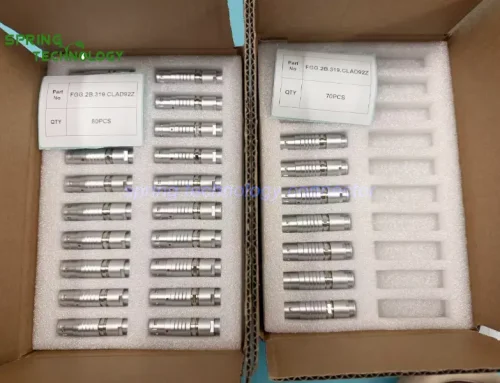
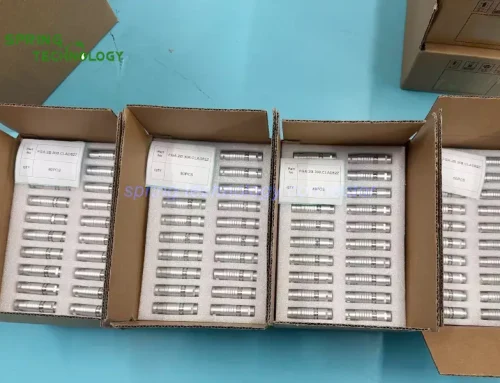
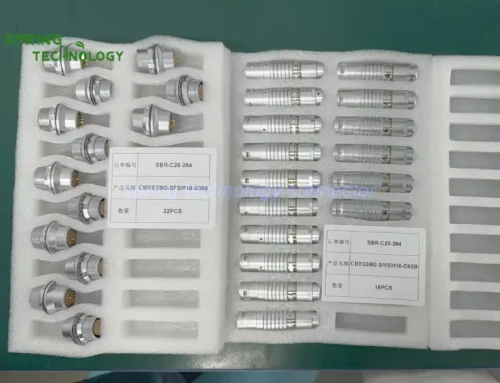
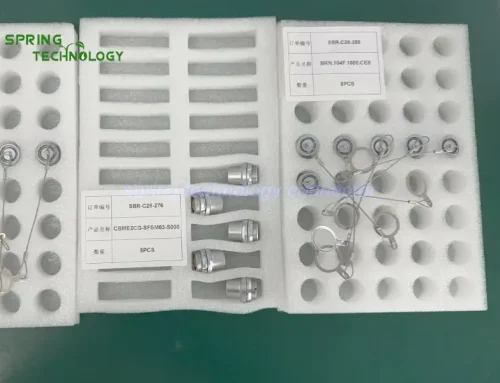
The TGN.102F.307.CLAD and ZLN.102F.307.CLLVP connectors represent critical components in medical ventilator systems, providing secure, reliable connections between control modules, sensors, and patient interface components. As life-support equipment, ventilators demand connectors that ensure uninterrupted operation, maintain signal integrity, and withstand rigorous sterilization protocols.
In 2026, the global medical ventilator market continues to evolve with advanced ventilation modes, integrated monitoring systems, and portable home-care devices. Understanding medical-grade connector specifications and selection criteria is essential for biomedical engineers designing safe, reliable respiratory care equipment.
TGN.102F.307.CLAD and ZLN.102F.307.CLLVP Technical Specifications
Series and Model Designation
These connectors follow standardized push-pull connector nomenclature:
- TGN Series: Straight plug with push-pull self-latching mechanism
- ZLN Series: Rear panel mounted receptacle (socket)
- 102F Shell Size: Compact housing accommodating 7 contacts
- 307 Contact Configuration: 7-pin arrangement for multi-signal transmission
- CLAD Termination: Cable solder termination for plug
- CLLVP Termination (Socket): Elbow PCB Contacts for receptacle
Electrical Characteristics
Key electrical specifications for medical ventilator applications:
- Contact Count: 7 positions for power, signal, and sensor data
- Current Rating: Up to 7A per contact
- Voltage Rating: Up to 1000V AC/DC
- Contact Resistance: <5 mΩ for stable signal transmission
- Insulation Resistance: >10 GΩ at 500V DC
- Dielectric Strength: 1500V AC at 50Hz for 1 minute
Mechanical Features
Robust mechanical design for medical environments:
- Shell Material: Brass nickel-plated or stainless steel 316L
- Locking Mechanism: Push-pull self-latching system
- Mating Cycles: 5,000+ operations without performance degradation
- Keying System: Multiple key positions prevent mis-mating
- IP Rating: IP65-IP68 when mated (dust-tight, water-resistant)
Environmental and Medical Ratings
Designed for healthcare facility conditions:
- Operating Temperature: -55°C to +125°C
- Sterilization Compatibility: Resistant to ethylene oxide (EtO), gamma radiation
- Chemical Resistance: Withstands disinfectants, alcohols, cleaning agents
- Biocompatibility: Materials suitable for medical device applications
Medical Ventilator Applications
Main Control Unit Connectivity
Connectors link the main controller to subsystems:
- Microprocessor board to valve control modules
- Power supply distribution to pneumatic components
- User interface panel connections (display, buttons, alarms)
- Communication buses (CAN, RS-485, Ethernet)
Sensor Integration
Ventilators employ multiple sensors for patient monitoring:
- Flow Sensors: Measure inspiratory and expiratory flow rates
- Pressure Sensors: Monitor airway pressure, PEEP levels
- Oxygen Sensors: Verify FiO2 (fraction of inspired oxygen)
- Temperature/Humidity Sensors: Ensure patient comfort and safety
Pneumatic Valve Control
Solenoid and proportional valves regulate airflow:
- Inspiratory valve actuation signals
- Expiratory valve control for PEEP management
- Oxygen mixer valve positioning
- Safety relief valve monitoring
Alarm and Safety Systems
Critical safety circuits require reliable connections:
- High/low pressure alarm circuits
- Power failure backup battery connections
- Apnea detection sensors
- System fault indicators
Portable and Transport Ventilators
Compact designs for emergency and home care:
- Battery pack connections for mobile operation
- External power adapter interfaces
- Patient circuit attachments
- Data export ports for patient records
2026 Medical Ventilator Market Trends and Data
Market Growth Projections
The global medical ventilator market continues steady expansion:
- Market Size: Projected USD 7.8 billion by 2028, growing at 6.2% CAGR
- ICU Ventilators: 45% market share, driven by critical care infrastructure
- Portable Ventilators: Fastest growing segment (8.5% CAGR) for home care and EMS
- Asia-Pacific: Highest growth region due to healthcare infrastructure investments
Technology Evolution
2026 ventilator innovations impacting connector requirements:
- Non-invasive ventilation (NIV) modes requiring precise sensor feedback
- AI-driven ventilation algorithms adjusting to patient needs
- Telemedicine integration for remote patient monitoring
- Miniaturization enabling portable and wearable ventilation devices
Push-Pull Connector Advantages for Medical Ventilators
Quick Connect/Disconnect for Maintenance
Push-pull mechanism offers significant benefits:
- One-handed operation in under 2 seconds
- Tool-free installation and servicing
- Reduced downtime during preventive maintenance
- Quick module replacement during repairs
Secure Locking Under Vibration
Self-latching design prevents accidental disconnection:
- Positive lock engages with audible click
- Withstands vibration from transport and movement
- Requires intentional pull force to release
- Prevents connection loss during patient transport
High-Density Signal Transmission
Compact design supports multiple signal types:
- Hybrid configurations (power + signal + sensor data)
- 5+ contacts in 1B shell size
- Shielded options for EMI-sensitive applications
- Low-voltage signal integrity for precision sensors
Environmental Protection
Robust sealing for healthcare environments:
- IP67/IP68 ratings when mated
- Multi-layer O-ring sealing
- Corrosion-resistant plating
- Resistance to cleaning agents and disinfectants
Selection Criteria for Medical Ventilator Connectors
Electrical Requirements
Match connector specifications to system needs:
- Calculate total current draw with 20% safety margin
- Verify voltage ratings for medical electrical systems (12V, 24V DC)
- Ensure signal integrity for low-level sensor signals (mV range)
- Consider EMI/RFI shielding for sensitive analog circuits
Mechanical Endurance
Medical connectors must withstand demanding conditions:
- Vibration profiles per IEC 60601-1
- Temperature cycling from storage to operation
- Mating cycles for modular component replacement
- Strain relief for cable connections
Biocompatibility and Safety
Patient safety is paramount in connector selection:
- Materials compliant with ISO 10993 biocompatibility standards
- No latex or allergenic materials
- Smooth surfaces preventing bacterial harboring
- Clear keying preventing incorrect connections
Sterilization and Cleaning Compatibility
Connectors must withstand healthcare cleaning protocols:
- Ethylene oxide (EtO) sterilization resistance
- Gamma radiation tolerance for single-use components
- Chemical resistance to alcohols, bleach, quaternary ammonium compounds
- Sealed design preventing fluid ingress during cleaning
Installation Best Practices
Cable Preparation
Proper cable stripping ensures reliable termination:
- Follow connector manufacturer specifications precisely
- Use medical-grade silicone or PVC cables for flexibility
- Avoid nicking conductors during stripping
- Apply heat-shrink tubing for strain relief
Connector Attachment
Installation method affects long-term reliability:
- Soldering: Use medical-grade solder, avoid cold joints
- Crimping: Use calibrated tools, verify crimp dimensions
- Inspection: Visual inspection under magnification
- Testing: Continuity and insulation resistance verification
Quality Control and Testing
Post-installation testing confirms proper installation:
- Continuity testing for all contacts
- Insulation resistance testing (megohmmeter)
- Hi-pot testing for dielectric strength
- Functional testing in ventilator system
Common Issues and Troubleshooting
Intermittent Signal Loss
Cause: Poor solder joints, damaged contacts, or cable strain
Solution: Inspect solder joints, verify contact integrity, add strain relief
Connector Won’t Lock
Cause: Debris in locking mechanism or damaged latch
Solution: Clean connector, inspect latch spring, replace if damaged
Fluid Infiltration
Cause: Damaged O-ring or improper mating
Solution: Replace O-ring, verify proper mating, apply medical-grade dielectric grease
Conclusion
The TGN.102F.307.CLAD and ZLN.102F.307.CLLVP connectors exemplify the high-performance connectivity solutions required for medical ventilator systems. As ventilator technology advances with AI-driven ventilation, telemedicine integration, and portable designs, reliable connectors that ensure uninterrupted operation become increasingly critical.
Selecting the right medical-grade connector—considering electrical requirements, mechanical endurance, biocompatibility, and sterilization compatibility—ensures optimal performance and patient safety for ventilator applications. The future of respiratory care depends on robust, reliable connectivity solutions.
FAQ: TGN.102F.307.CLAD and ZLN.102F.307.CLLVP Connectors
What does TGN.102F.307.CLAD stand for?
TGN indicates the straight plug series, 102F denotes the shell size, 307 specifies 7 contacts, and CLAD indicates cable solder termination.
Are these connectors suitable for sterilization?
Yes. When properly assembled with appropriate materials, these connectors withstand ethylene oxide (EtO) sterilization and gamma radiation for medical device applications.
What is the mating cycle life?
TGN/ZLN series connectors are rated for 5,000+ mating cycles without performance degradation, making them suitable for applications requiring frequent disconnection.
Can these connectors handle low-level sensor signals?
Yes. With gold-plated contacts and proper shielding, these connectors support low-voltage, low-current sensor signals with minimal noise and interference.
Are these connectors compatible with other push-pull connector brands?
TGN/ZLN series connectors follow industry-standard dimensions and are generally compatible with similar push-pull connector systems from major manufacturers.
Extended Reading
- Spring Technology Push-pull Connectors for Neuromodulation Devices – Medical-grade connectors for neurotechnology
- Push-pull Medical Connectors – Comprehensive guide to medical connector applications
- What are the common fault forms of connector terminals – Troubleshooting connector issues
Xi’an Spring Technology Co., Ltd. is a professional push-pull connector manufacturer integrating connector R&D, production, and sales. We provide high-quality medical-grade connectors, ventilator cable assemblies, and custom connectivity solutions for life-support equipment.
Contact us: [email protected] | www.spring-connectors.com