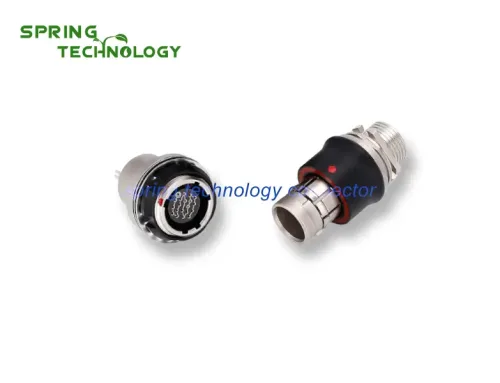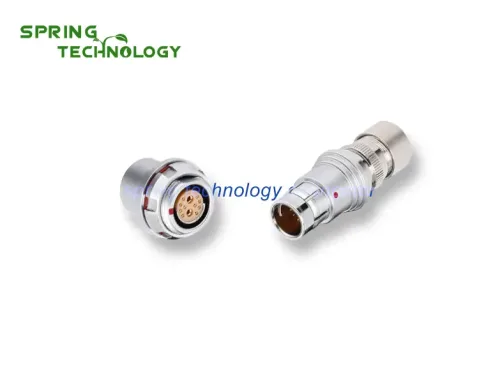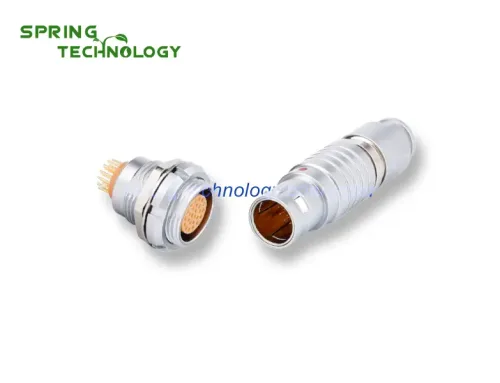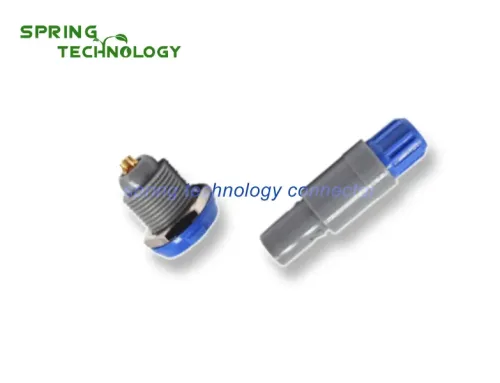


What is an Aviation Plug?
An aviation plug is a type of circular electrical connector designed for reliable, secure connections in demanding environments. Despite the name, these connectors are used far beyond aerospace applications – they’re essential components in industrial automation, medical equipment, telecommunications, and outdoor electronics where dependable connectivity is critical.
Aviation plugs feature a cylindrical design with a locking mechanism that ensures secure mating and prevents accidental disconnection. The correct selection and use of aviation plugs is an important aspect of ensuring circuit reliability and system performance.
The global circular connector market, which includes aviation plugs, reached USD 11.2 billion in 2025 and is projected to grow at a CAGR of 6.4% through 2030, driven by increasing automation, IoT deployment, and demand for rugged connectivity solutions across industries.
Key Selection Criteria for Aviation Plugs
1. Electrical Parameters
The connector is an electromechanical component that connects the circuit. Therefore, when selecting a connector, the electrical parameters of the connector itself must first be considered:
- Rated current: Maximum continuous current per contact
- Rated voltage: Maximum working voltage
- Contact resistance: Should be <5 milliohms for reliable signal transmission
- Insulation resistance: Should exceed 1000 MΩ
- Dielectric strength: Voltage withstand capability
2. Rated Voltage and Current
Different maximum working voltages can be used according to different usage environments and safety requirements. Important considerations include:
- Temperature rise inside the connector must not exceed design specified values
- For multi-core connectors, the rated current must be derated
- Consider voltage drop across long cable runs
- Account for inrush currents in power applications
3. Number of Contacts (Pin Count)
Aviation plugs are available in various pin configurations:
- 2-6 pins: Power and simple signal applications
- 7-12 pins: Multi-signal and mixed applications
- 13-26 pins: Complex data and control systems
Mechanical and Environmental Considerations
Installation Method and Shape
The shape of the aviation plug terminal is constantly changing. Selection factors include:
- Cable outlet angle: Straight (0°), angled (45°/90°), or panel mount
- Cable diameter: Must match connector cable gland size
- Mounting requirements: Panel cutout dimensions and fixing method
- Space constraints: Volume and weight limitations
- Strain relief: Whether to connect metal hose or cable clamp
Environmental Protection (IP Rating)
Consider the operating environment when selecting IP rating:
- IP50: Indoor, protected environments
- IP65: Dust-tight, water jet resistant
- IP67: Temporary submersion protection
- IP68: Continuous submersion protection
Operating Temperature Range
Standard aviation plugs typically operate from -40°C to +85°C. For extreme environments:
- High-temperature applications: Up to +200°C (special materials)
- Low-temperature applications: Down to -55°C (military grade)
Material Selection
Housing Materials
- Brass: Good conductivity, cost-effective, standard applications
- Stainless Steel (SS304/SS316): Superior corrosion resistance, marine environments
- Aluminum: Lightweight, good strength-to-weight ratio
- Plastic (POM): Lightweight, cost-effective, non-conductive
Contact Materials
- Brass with gold plating: Excellent conductivity, corrosion resistance
- Copper alloy: High conductivity, spring properties
- Plating thickness: 0.5-3μm gold for different durability requirements
Locking Mechanism Types
Push-Pull Self-Locking
Quick connect/disconnect with secure locking:
- Simple push-to-mate, pull-to-unmate operation
- Prevents accidental disconnection
- Ideal for frequent mating cycles
- Available in 2-26 pin configurations
Threaded Coupling
Traditional screw-type connection:
- Maximum security and vibration resistance
- Slower connection time
- Common in military and aerospace applications
Bayonet Locking
Quick quarter-turn locking:
- Faster than threaded, more secure than push-pull
- Visual confirmation of proper mating
- Balanced performance for various applications
2026 Industry Trends
Miniaturization
Demand for smaller connectors with higher contact density drives development of compact aviation plug designs for space-constrained applications.
Hybrid Connectors
Integration of power, signal, data, and even fiber optic channels in single connector assemblies simplifies system design and reduces installation time.
Smart Features
Integration of sensing capabilities for connection verification, mating cycle counting, and condition monitoring in critical applications.
Sustainability
Focus on recyclable materials, RoHS compliance, and environmentally responsible manufacturing processes.
Application-Specific Selection Guide
Industrial Automation
- Priority: Durability, vibration resistance
- Recommended: Push-pull locking, IP65+, brass or stainless steel
- Pin count: 4-12 pins typical
Medical Equipment
- Priority: Reliability, ease of cleaning
- Recommended: Push-pull, IP54+, plastic or stainless steel
- Pin count: 2-8 pins typical
Outdoor/Telecommunications
- Priority: Weather resistance, UV stability
- Recommended: Threaded or bayonet, IP67+, stainless steel
- Pin count: 2-6 pins typical
Test and Measurement
- Priority: Frequent mating, signal integrity
- Recommended: Push-pull, gold-plated contacts
- Pin count: 2-16 pins depending on application
Conclusion
Selecting the right aviation plug requires careful consideration of electrical parameters, mechanical requirements, environmental conditions, and application-specific needs. By understanding the key selection criteria – including rated voltage and current, number of contacts, installation method, environmental protection, and material choices – you can ensure reliable, long-lasting connections for your specific application.
The correct selection and use of aviation plugs is an important aspect of ensuring circuit reliability. For applications requiring reliable aviation connector solutions with proven performance across diverse industries, selecting an experienced manufacturer ensures quality, consistency, and long-term support.
Xi’an spring technology Co., Ltd. is a professional push pull connector manufacturer.
Contact: [email protected], [email protected]
Website: https://www.spring-connectors.com/
Frequently Asked Questions (FAQ)
What is the difference between aviation plugs and standard connectors?
Aviation plugs feature circular design with robust locking mechanisms, superior environmental protection, and higher durability compared to standard rectangular connectors. They’re designed for demanding applications requiring reliable connections.
How many mating cycles can aviation plugs withstand?
Quality push-pull aviation plugs are typically rated for 5,000+ mating cycles. Threaded connectors may exceed 10,000 cycles. Actual lifespan depends on operating conditions and maintenance.
Can aviation plugs be used in wet environments?
Yes, aviation plugs with appropriate IP ratings (IP65, IP67, IP68) are designed for wet and harsh environments. Select the IP rating based on your specific exposure requirements.
What is the typical lead time for aviation plugs?
Standard configurations are typically available from stock or with 1-2 week lead time. Custom configurations with specific pin arrangements or materials may require 3-4 weeks. Contact us for specific availability.