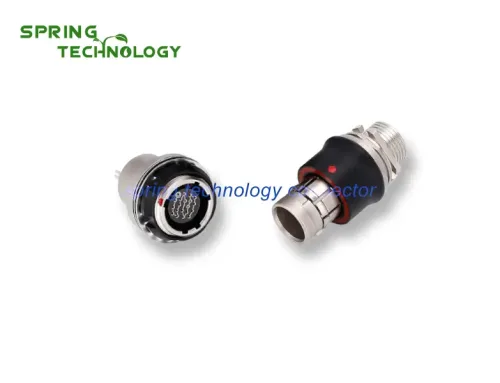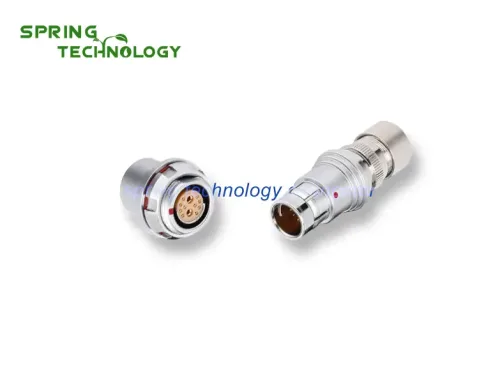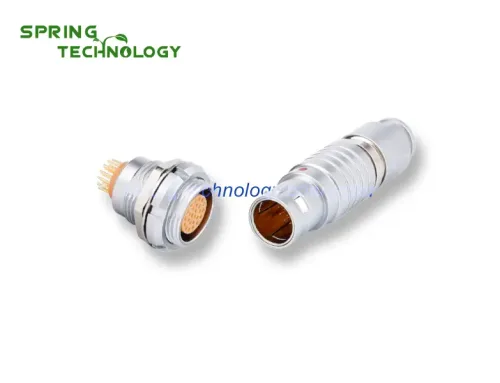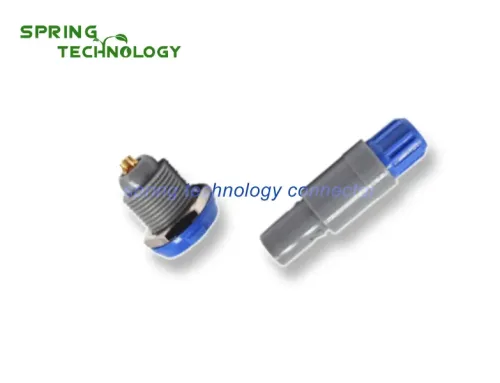


What is a Connector?
A connector is an electromechanical component that connects a conductor (wire) to an appropriate mating component to achieve circuit connection and disconnection. Also known as connectors, plugs and sockets, these components are essential in virtually all electronic systems.
For different application objects, frequency, power, and application environments, there are various types of connectors. In aviation, there are aviation plugs and aviation sockets; in consumer electronics, there are waterproof connectors and cable connectors. In today’s society, connectors are widely used in military systems such as aviation, aerospace, and defense, as well as commercial applications including telecommunications, medical equipment, and industrial automation.
The global connector market reached USD 85.3 billion in 2025 and is projected to grow at a CAGR of 5.9% through 2030, driven by increasing electrification, IoT deployment, 5G infrastructure expansion, and electric vehicle adoption worldwide.
Connector Selection Criteria
1. Application Environment
The choice of connector series depends primarily on the application environment of the desired product. Key considerations include:
- Operating temperature range
- Exposure to moisture, dust, or chemicals
- Vibration and shock requirements
- Expected mating cycles
- Space constraints
2. Electrical Parameters
Choose the connector series according to product performance and mechanical requirements:
- Impedance matching: 50Ω for RF applications, 75Ω for video
- VSWR (Voltage Standing Wave Ratio): Critical for RF performance
- Maximum frequency: Determines connector type and quality
- Transmission power: Affects contact size and material
- Current rating: Per contact and overall
- Voltage rating: Working and test voltage
Application-Specific Connector Selection
1. Wireless Base Stations
Wireless base stations need to transmit high-power radio frequency signals and high-speed digital signals. Connector requirements include:
- Input/Output ports: N-type and 7/16-type connectors for high-power RF
- Embedded RF modules: Blind mate series such as BMA, DIN series embedded modules
- I/O modules: MCX, surface mount series, panel connectors with cable
- Interconnects: Semi-rigid and flexible cable assemblies
2. Transmission and Switching Equipment
In today’s large-capacity transmission equipment market (voice, data, image transmission), connector selection varies by application:
- Small RF coaxial connectors: BNC, TNC, MCX, SMA, SMB, SMC series
- Miniature versions: SSMA, SSMB, SSMC for high-density applications
- Ultra-miniature: MMCX for extreme space constraints
- High-speed transmission: GHz-band BNC connectors for DIN/IEC interfaces
- Digital Distribution Frame (DDF): L9, C3, C5, C6, ERI series connectors
3. Backplane, Network Cards, and Set-Top Boxes
In coaxial Ethernet applications providing high-speed channels:
- BNC connectors: Widely used due to bayonet locking for easy insertion/removal
- SMB series: Increasing density with excellent performance for commercial and military applications
- Multiple options: Users can select suitable connectors based on specific needs
Connection Mechanism Types
The connection mechanism allows two connectors to dock with each other, depending on the quality and impedance characteristics required, and the frequency of operation. The connection mechanism significantly influences connector performance.
1. Threaded Connection
This connection method uses threaded nuts for secure mating:
- Advantages: Solid, reliable, vibration-resistant
- Considerations: Limit maximum torque to prevent nut slippage
- Series: SMC, SMA, TNC, N, 7/16, SSMA, CC4, L9
- Applications: Test equipment, military, telecommunications
2. Push-In Connection (Snap-In Coupling)
Push-in mechanism for small interface connectors with high installation density:
- Advantages: Fast, convenient insertion and removal
- Locking: Reed mechanism for secure retention
- Typical use: PCB mounting
- Series: MMCX, MCX, SMB, SSMB, SMZ
3. Slide-On Coupling
Slide-in mechanism for high-density installations:
- Advantages: Very easy insertion and removal
- Typical use: Coaxial connection system boards
- Series: BMA, C4, C5, C6, ERI (small DIN multi-terminal)
- Installation: Usually modular
4. Bayonet Coupling
Bayonet mechanism with pair of locking grooves:
- Unique to: BNC (Bayonet Navy Connector)
- Advantages: Reliable connection, quick insertion/removal
- Applications: Test and measurement equipment, military equipment
5. Push-Pull Self-Locking
Unique self-locking mechanism combining speed and reliability:
- Advantages: Fast insertion like slide-in, reliable locking even under cable pull
- Series: 1.0/2.3, 1.6/5.6, and 2-26 pin circular connectors
- Applications: Medical equipment, industrial automation, test instrumentation
2026 Industry Trends
Miniaturization
Demand for smaller connectors with higher contact density continues to drive development of ultra-miniature connector series for space-constrained applications in wearable devices and compact IoT sensors.
High-Speed Data Transmission
5G infrastructure and data center expansion require connectors capable of handling higher frequencies and data rates, driving innovation in RF connector design and materials.
Environmental Sustainability
Manufacturers increasingly focus on RoHS compliance, recyclable materials, and environmentally responsible production processes to meet global environmental regulations.
Smart Connectivity
Integration of sensing capabilities for connection verification and condition monitoring in critical applications, enabling predictive maintenance and reduced downtime.
Conclusion
Selecting the right connector requires careful consideration of application environment, electrical parameters, mechanical requirements, and connection mechanism preferences. Whether you need threaded connections for maximum reliability, push-pull self-locking for quick and secure mating, or bayonet coupling for test equipment, understanding the available options ensures optimal system performance.
For applications requiring reliable connector solutions with proven performance across diverse industries, selecting an experienced manufacturer ensures quality, consistency, and long-term support. XI’AN SPRING TECHNOLOGY CO., LTD is a professional manufacturer of circular push-pull self-latching connectors, offering different types of connectors from 2 to 26 pins for various application needs.
Xi’an spring technology Co., Ltd. is a professional push pull connector manufacturer.
Contact: [email protected], [email protected]
Website: https://www.spring-connectors.com/
Frequently Asked Questions (FAQ)
What is the most important factor in connector selection?
The application environment is typically the primary consideration, as it determines the required environmental protection (IP rating), temperature range, and durability. Electrical parameters (impedance, frequency, power) are equally critical for proper signal transmission.
How do I choose between different connection mechanisms?
Consider your application needs: threaded for maximum security and vibration resistance, push-pull for frequent mating cycles with quick operation, bayonet for test equipment requiring quick connect/disconnect, and slide-on for high-density board mounting.
What is the difference between 50Ω and 75Ω connectors?
50Ω connectors are standard for RF and data transmission applications, while 75Ω connectors are used for video and broadcast applications. Impedance mismatch can cause signal reflection and degradation.
How many mating cycles can connectors withstand?
Quality connectors typically withstand 500-5,000+ mating cycles depending on the type. Push-pull connectors generally exceed 5,000 cycles, while threaded connectors may exceed 10,000 cycles with proper care.