

Electronic Connector Connection Methods 2026: Wire-to-Wire, Wire-to-Board & Board-to-Board Complete Guide
Electronic connectors are fundamental components in modern electrical systems, enabling reliable connectivity between circuits and devices. Understanding the three primary connector connection methods—wire-to-wire, wire-to-board, and board-to-board—is essential for engineers and technicians working with electrical connectivity solutions in 2026. This comprehensive guide from SPRING-CONNECTOR explores each connection type with technical depth and practical applications.
Understanding Electronic Connector Connection Methods in 2026
The global electronic connectors market continues to expand, driven by advancements in automotive electronics, industrial automation, and consumer devices. Selecting the appropriate electronic connector type directly impacts system reliability, maintenance costs, and overall performance.
1. Wire-to-Wire Connector Connection Methods
Wire-to-wire connections represent one of the most fundamental connector connection methods, establishing permanent or detachable links between individual conductors or cable assemblies.
1.1 Permanent Wire-to-Wire Connection Technologies
Permanent connections utilize crimping, welding, or insulation displacement connection (IDC) techniques. IDC technology has become increasingly popular in 2026 for control cable applications due to superior wire termination efficiency and harness end-processing capabilities. These connections offer excellent mechanical stability and consistent electrical performance in fixed installations.
1.2 Detachable Wire-to-Wire Connector Designs
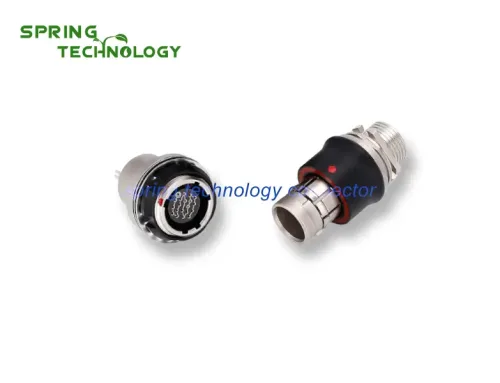
Modern wire-to-wire connectors feature diverse housing configurations including right-angle polymer shapes, round cylindrical designs, and hybrid configurations with metal shielding shells. Military and aerospace applications frequently utilize shielded wire-to-wire connectors for EMI protection and environmental sealing.
1.3 Industrial Applications of Wire-to-Wire Connectors
Wire-to-wire connectors dominate cable harness assemblies in automotive, industrial machinery, and telecommunications infrastructure. The flexibility to accommodate various wire gauges (from 32AWG to 4AWG) makes them versatile for power distribution and signal transmission applications.
2. Wire-to-Board Connector Connection Solutions
Wire-to-board connectors bridge cable assemblies with printed circuit boards (PCBs), serving as critical interfaces in electronic systems worldwide.
2.1 Wire-to-Board Connection Architecture
In wire-to-board configurations, one connector half terminates to wires or cables while the mating half mounts directly to the PCB through press-fit or soldering processes. Card-edge connectors remain prevalent for detachable connectivity, offering reliable terminal mating interfaces with minimal insertion force requirements.
2.2 IDC-Based Wire-to-Board Assembly Advantages
Insulation displacement connection technology enables rapid cable-to-board assembly without wire stripping or soldering. This approach reduces manufacturing costs and improves consistency in high-volume production environments. IDC wire-to-board connectors support automated assembly processes essential for 2026 manufacturing standards.
2.3 Emerging Trends in Wire-to-Board Connectivity
The evolution toward miniaturization and higher pin densities drives innovation in wire-to-board connector design. Modern solutions incorporate locking mechanisms, polarization features, and enhanced current-carrying capabilities to meet demanding application requirements in medical devices, industrial controls, and consumer electronics.
3. Board-to-Board Connector Technologies
Board-to-board connectors enable direct PCB interconnection without intermediate cabling, critical for compact electronic assemblies.
3.1 Single-Piece Card-Edge Connectors
Card-edge connectors utilize the PCB edge as one contact half, eliminating the need for a separate plug component. This cost-effective solution works well for applications with moderate mating cycles and standard environmental conditions. However, card-edge designs face limitations as PCB sizes and terminal counts increase.
3.2 Two-Piece Board-to-Board Connector Systems
As electronic systems demand higher terminal densities and improved reliability, two-piece board-to-board connectors have become the industry standard. These systems consist of matching plug and socket halves, offering superior mechanical stability, controlled insertion forces, and enhanced mating cycle durability compared to single-piece alternatives.
3.3 High-Density Board-to-Board Connection Challenges
Increasing circuit board complexity requires connectors with finer pitch spacing (down to 0.4mm), improved signal integrity for high-speed data transmission, and robust mechanical retention. Modern board-to-board connectors address these challenges through precision manufacturing, advanced contact materials, and innovative locking mechanisms.
4. Selecting the Right Connector Connection Method
Choosing appropriate electronic connectors requires evaluating multiple technical and operational factors.
4.1 Electrical Performance Requirements
Consider voltage ratings, current capacity, contact resistance, and signal integrity specifications. High-power applications demand connectors with adequate current-carrying capacity and thermal management, while high-frequency signals require controlled impedance and minimal signal loss.
4.2 Environmental and Mechanical Considerations
Operating temperature range, humidity exposure, vibration resistance, and IP rating requirements influence connector selection. Harsh environment applications may necessitate sealed connectors with corrosion-resistant contacts and robust housing materials.
4.3 Manufacturing and Maintenance Factors
Assembly method (manual vs. automated), available tooling, expected mating cycles, and serviceability requirements impact total cost of ownership. Connectors designed for frequent disconnection benefit from durable contact materials and ergonomic mating mechanisms.
5. Industry Trends Shaping Connector Connection Methods in 2026
The electronic connector industry continues evolving with technological advancements and market demands.
5.1 Miniaturization and Higher Density
Device miniaturization drives demand for smaller connectors with increased pin counts. Micro and nano connectors enable compact designs while maintaining reliable electrical performance in space-constrained applications.
5.2 High-Speed Data Transmission
5G infrastructure, autonomous vehicles, and IoT devices require connectors supporting multi-gigabit data rates with minimal signal degradation. Advanced contact geometries and shielding techniques address electromagnetic compatibility challenges.
5.3 Sustainability and Environmental Compliance
RoHS compliance, halogen-free materials, and recyclable connector designs reflect growing environmental consciousness. Manufacturers increasingly prioritize sustainable production practices and eco-friendly material selection.
Conclusion: Optimizing Electronic Connector Selection for 2026 Applications
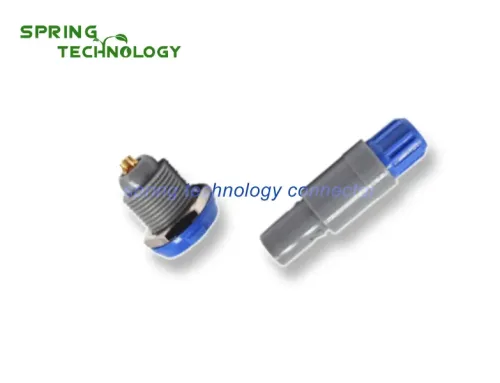
Understanding the three fundamental connector connection methods—wire-to-wire, wire-to-board, and board-to-board—enables engineers to make informed decisions for optimal system performance. Each connection type offers distinct advantages suited to specific application requirements. SPRING-CONNECTOR provides comprehensive electronic connectivity solutions including push-pull self-locking connectors, custom cable assemblies, and technical support for connector selection. Our product range spans 1-30 core configurations with floating and fixed socket options to meet diverse application needs.
Frequently Asked Questions (FAQ)
What is the most reliable wire-to-wire connection method?
IDC (Insulation Displacement Connection) offers excellent reliability for control cable applications, while crimp connections provide superior mechanical strength for power applications. Selection depends on specific application requirements including wire gauge, environmental conditions, and expected mating cycles.
When should I choose wire-to-board over board-to-board connectors?
Wire-to-board connectors are ideal when cables need to connect to PCBs, offering flexibility in routing and strain relief. Board-to-board connectors work best for direct PCB stacking or edge-to-edge connections where space optimization is critical.
What are the advantages of two-piece board-to-board connectors?
Two-piece systems provide better mechanical stability, controlled insertion forces, higher terminal densities, and improved mating cycle durability compared to single-piece card-edge connectors, making them suitable for demanding applications.
How do I determine the appropriate connector current rating?
Consider maximum operating current, ambient temperature, number of loaded contacts, and applicable derating factors. Consult manufacturer specifications and apply appropriate safety margins for reliable long-term performance.
What environmental factors affect connector selection?
Temperature extremes, humidity, vibration, chemical exposure, and IP rating requirements all influence connector material selection, sealing requirements, and contact plating specifications for optimal performance.
Extended Reading
Explore more technical resources from SPRING-CONNECTOR:
Xi’an Spring Technology Co., Ltd. is a professional push-pull connector manufacturer integrating connector research and development, production and sales.
Contact us for more info and best price: [email protected], [email protected]
Visit our website: https://www.spring-connectors.com/