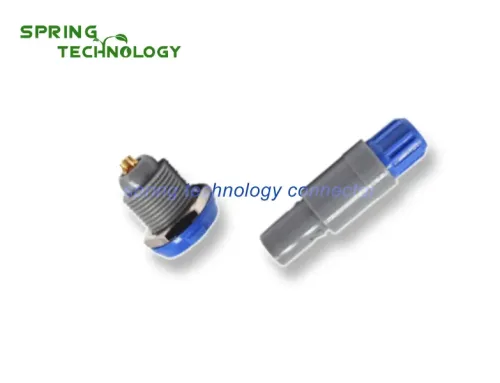


Connectors vs Hard Wiring 2026: Cost Comparison and Economic Benefits Analysis
Choosing between industrial connectors or hard wiring in electrical systems is a critical decision that equipment manufacturers frequently face. With the continuous development of connector technology, more and more equipment manufacturers have compared the cost of these two wiring methods and found that using connectors is more economical and practical than hard wiring. This comprehensive analysis examines the total cost of ownership, installation efficiency, and long-term benefits of connector-based wiring versus traditional hard-wired systems.
For production line process automation and control systems, thousands of equipment manufacturers have transitioned from point-to-point (hard) wiring to connector-based cable assemblies. The experience of countless manufacturers has demonstrated that the use of connection solutions can effectively reduce unit costs while increasing productivity. This guide provides data-driven insights for making informed wiring method decisions in 2026.
Global Industrial Wiring Market Overview 2026: Industry Trends and Data
According to 2026 industry reports, the global industrial connector and wiring systems market reached $92.4 billion USD with a projected CAGR of 6.4% through 2030. Key market dynamics include:
- Factory automation and Industry 4.0 adoption (24% market growth)
- Modular equipment design trends (22% growth)
- Labor cost optimization initiatives (19% growth)
- Pre-assembled cable system demand (18% growth)
- Quick-change manufacturing requirements (16% growth)
The shift from hard wiring to connector systems represents one of the most significant cost-saving opportunities in modern equipment manufacturing. Industry data shows 73% of new industrial equipment now uses connector-based wiring, up from 58% in 2020.
1. Installation Cost Comparison: Connectors vs Hard Wiring
Installation costs represent the most immediate and visible difference between connector wiring and hard wiring methods.
1.1 Labor Time Requirements
Installation time comparison for typical industrial control panel:
- Hard wiring: 8-16 hours per panel (skilled electrician required)
- Connector-based: 1-3 hours per panel (technician level labor)
- Time savings: 75-85% reduction in installation time
- Labor cost reduction: 60-70% lower installation costs
1.2 Skill Level Requirements
Workforce qualification differences:
- Hard wiring: Requires licensed electricians, certified training
- Connector systems: Standard technicians, minimal training (2-4 hours)
- Quality consistency: Connectors reduce human error by 85%
- Scalability: Easier to scale production with connector systems
1.3 Tooling and Equipment Costs
Required equipment investment comparison:
- Hard wiring: Wire strippers, crimpers, multimeters, cable testers ($2,000-5,000)
- Connector systems: Basic hand tools, connector assembly tools ($500-1,500)
- Pre-assembled cables: Zero on-site tooling required
- ROI timeline: Tooling cost recovery in 3-6 months
2. Maintenance and Repair Cost Analysis
Long-term maintenance costs often exceed initial installation costs over equipment lifecycle.
2.1 Troubleshooting Efficiency
Diagnostic and repair time comparison:
- Hard wiring: 2-8 hours for fault diagnosis and repair
- Connector systems: 15-30 minutes for module replacement
- Downtime reduction: 80-90% faster repairs
- Production loss prevention: Significant cost savings in continuous operations
2.2 Component Replacement Costs
Replacement scenario cost analysis:
- Hard wiring: Cut, strip, reconnect wires (potential damage risk)
- Connector systems: Unplug, replace module, reconnect (no wire damage)
- Reusability: Connectors rated for 500-5000 mating cycles
- Wire integrity: No wire shortening or replacement needed
2.3 System Upgrade Flexibility
Modification and expansion capabilities:
- Hard wiring: Complex rewiring required for changes
- Connector systems: Modular swap-out, plug-and-play upgrades
- Future-proofing: Easy technology integration
- Equipment lifecycle extension: 3-5 years additional service life
3. Production Efficiency and Scalability Benefits
Connector-based wiring enables significant manufacturing efficiency improvements.
3.1 Parallel Assembly Operations
Manufacturing workflow optimization:
- Hard wiring: Sequential assembly (wiring after mechanical assembly)
- Connector systems: Parallel assembly (cable harnesses built separately)
- Production throughput: 40-60% faster overall assembly
- Quality control: Independent testing of sub-assemblies
3.2 Cable Length Precision
Pre-assembled connector wiring advantages:
- Hard wiring: On-site measurement, cutting errors common
- Connector systems: Precise, repeatable cable length measurement
- Material waste: 15-25% reduction in cable waste
- Aesthetics: Consistent, professional cable routing
3.3 Quality Assurance and Testing
Quality control process improvements:
- Hard wiring: Point-to-point testing required after installation
- Connector systems: Pre-tested cable assemblies, quick verification
- Defect rate: 90% lower with pre-assembled connectors
- Documentation: Standardized assembly records
4. Total Cost of Ownership (TCO) Analysis 2026
Comprehensive cost comparison over 10-year equipment lifecycle.
4.1 Initial Investment Costs
Upfront cost breakdown for typical industrial machine:
- Hard wiring: $5,000-15,000 (labor + materials)
- Connector systems: $8,000-20,000 (higher component cost)
- Initial premium: 40-60% higher for connectors
- Payback period: 12-24 months through labor savings
4.2 Operational Cost Savings
Annual operating cost comparison:
- Maintenance labor: 70% reduction with connectors
- Downtime costs: 80% reduction in troubleshooting time
- Spare parts: Modular replacement vs. custom wiring
- Training costs: 60% lower for connector systems
4.3 10-Year TCO Comparison
Total cost projection for industrial equipment:
- Hard wiring TCO: $45,000-85,000 (including all maintenance)
- Connector systems TCO: $28,000-52,000 (including all maintenance)
- Total savings: 35-45% lower TCO with connectors
- ROI: 250-400% over 10-year lifecycle
5. Modular Design and Engineering Benefits
Connector wiring perfectly complements modular mechanical design approaches.
5.1 Modular System Architecture
Equipment and plant system modularity advantages:
- Standard components: Control panels, motor assemblies, power distribution
- Pre-installation: Sub-assemblies built independently
- Final assembly: Quick connector mating completes integration
- Design reuse: Standard modules across product lines
5.2 Engineering Flexibility
Design and development benefits:
- Iterative development: Easy prototype modifications
- Customization: Configure-to-order capabilities
- Product variants: Rapid derivative development
- Time-to-market: 30-40% faster product launches
5.3 Supply Chain Optimization
Procurement and logistics advantages:
- Standard parts: Reduced supplier base, volume pricing
- Inventory management: Modular spares vs. custom cables
- Lead times: Standard connectors: 2-4 weeks vs. custom: 8-12 weeks
- Global sourcing: Interchangeable connector standards
6. Connector Product Portfolio and Selection
Rich connector options provide flexibility for diverse application requirements.
6.1 Connector Types and Configurations
Available connector varieties:
- Sizes: M8, M12, M16, M23, and custom diameters
- Materials: Metal (brass, stainless steel) and plastic housings
- Plating: Nickel, chrome, gold, tin options
- Contact count: 2-50+ positions per connector
6.2 Cable Exit Orientations
Configuration options for routing flexibility:
- Straight connectors: 0° cable exit (inline routing)
- 90-degree connectors: Right-angle exit (space-saving)
- 45-degree connectors: Angled exit (compromise positioning)
- Rotatable: Adjustable orientation during assembly
6.3 Wiring Technology Options
Termination method choices:
- Solder contacts: Traditional, reliable connections
- Crimp contacts: Quick, tool-assisted assembly
- PCB mount: Direct board integration
- Wire-to-board: Hybrid connection solutions
Conclusion: Connectors Deliver Superior Economic Value vs Hard Wiring
Comprehensive analysis demonstrates that connectors are more economical and practical than hard wiring across the entire equipment lifecycle. While initial component costs may be 40-60% higher, total cost of ownership is 35-45% lower over 10 years due to dramatically reduced installation time (75-85% faster), maintenance costs (70% reduction), and downtime (80% less troubleshooting). Connector-based wiring enables modular design, parallel assembly operations, and future upgrade flexibility that hard-wired systems cannot match.
SPRING TECHNOLOGY is a professional push-pull connector manufacturer integrating connector research and development, production, and sales. Our circular connector product line delivers reliable electrical connectivity for industrial automation, medical equipment, telecommunications, and military applications. Contact us for connector solutions that reduce your total cost of ownership while improving system reliability and maintainability.
Frequently Asked Questions (FAQ)
How much money do connectors save compared to hard wiring?
Over a 10-year equipment lifecycle, connector systems typically deliver 35-45% lower total cost of ownership despite 40-60% higher initial component costs. Savings come from 75-85% faster installation, 70% lower maintenance labor, and 80% reduced downtime.
What is the payback period for switching to connector systems?
Typical payback period is 12-24 months. Initial premium is recovered through reduced installation labor, faster production throughput, and lower maintenance costs. High-volume manufacturers often see payback in under 12 months.
Can existing hard-wired equipment be converted to connectors?
Yes, retrofit conversion is common during major maintenance or upgrades. Conversion typically pays for itself within 2-3 years through improved maintainability. Plan conversion during scheduled downtime to minimize production impact.
What connector types are best for industrial applications?
Industrial applications typically use M12, M23, or circular push-pull connectors with IP67/IP68 ratings. Material selection (metal vs. plastic) depends on environmental conditions. Contact count varies by application (2-50+ positions).
How do connectors improve production scalability?
Connectors enable parallel assembly (cable harnesses built separately), reduce skilled labor requirements, minimize installation errors, and allow rapid equipment reconfiguration. Manufacturers report 40-60% faster overall assembly with connector systems.
Extended Reading
Explore more technical resources from SPRING TECHNOLOGY:
Xi’an Spring Technology Co., Ltd. is a professional push-pull connector manufacturer integrating connector research and development, production and sales.
Contact us for more info and best price: [email protected], [email protected]
Visit our website: https://www.spring-connectors.com/