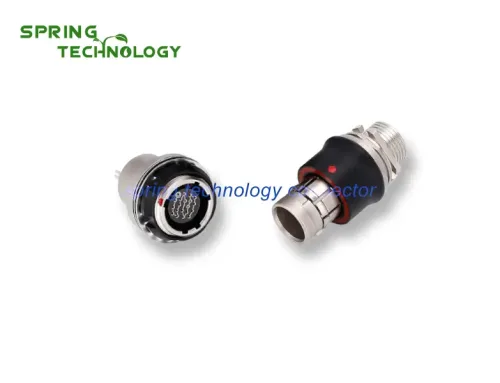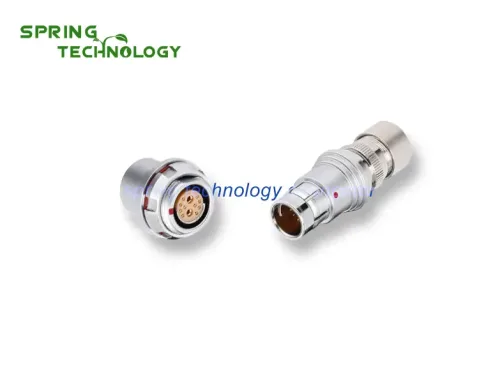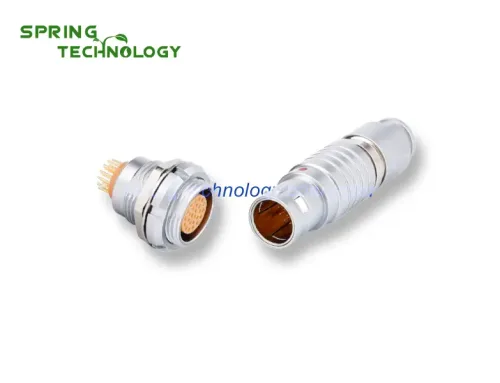


Connector contact failure represents one of the most common reliability issues in electronic products, causing intermittent connections, signal degradation, and complete system failures. As electronic technology applications expand across industries, poor contact problems increasingly plague users, bringing significant inconvenience and operational confusion. Contact failures occur in three primary forms: internal component contact failures, interconnection failures between components, and virtual soldering failures (typically between components and printed circuit boards). This comprehensive guide analyzes connector contact issues and provides actionable prevention strategies.
According to 2025 industry data, connector contact failures account for approximately 35% of all electronic system field failures, with oxidation, contamination, and mechanical wear representing the top three root causes. Understanding contact failure mechanisms enables engineers and technicians to implement effective prevention measures, reducing downtime and maintenance costs across industrial, automotive, telecommunications, and consumer applications.

Understanding Connector Contact Failure Mechanisms
What Causes Poor Contact?
Connector contact failure occurs when electrical connections between mating surfaces degrade or become intermittent. Each machine consists of multiple connected components, and extended equipment use leads to contact problems through several mechanisms:
- Metal Oxidation: Contact surfaces react with atmospheric oxygen, forming non-conductive oxide layers
- Dust and Contamination: Particulate matter adheres to contact surfaces, creating insulating barriers
- Excessive Mating Cycles: Repeated insertion and removal wears contact plating, exposing base metals
- Corrosion: Chemical reactions with environmental contaminants degrade contact materials
- Mechanical Deformation: Physical damage alters contact geometry and pressure distribution
Types of Contact Failures in Electronic Products
Electronic product contact failures categorize into three primary types:
- Internal Component Failures: Contact issues within components themselves (relay contacts, switch contacts, connector internal contacts)
- Interconnection Failures: Poor connections between interconnected components (connector-to-connector, cable-to-connector)
- Virtual Soldering Failures: Cold solder joints or cracked solder connections between components and printed circuit boards
Connector Contact Science: Pin and Socket Interactions
Contact Plating Materials
Connectors typically employ pin-to-socket contact designs. Component pins and terminals feature electroplated surface layers including:
- Lead-Tin Alloy: Traditional solderable coating, moderate conductivity
- Pure Tin: Good solderability, prone to whisker growth
- Nickel: Hard barrier layer, excellent wear resistance
- Silver: Highest conductivity, susceptible to tarnishing
- Silver-Palladium Alloy: Balanced conductivity and corrosion resistance
- Gold: Premium choice, lowest contact resistance, superior corrosion resistance
Contact Resistance Fundamentals
Different electroplated metals exhibit varying conductivity levels, directly affecting contact resistance:
- Gold: Most conductive, contact resistance typically under 50 mΩ
- Silver: Slightly lower conductivity than gold, prone to surface film formation
- Tin: Higher contact resistance, requires higher contact pressure for reliable connection
While welding processes form conductive alloys providing high reliability (unless poor soldering occurs), connector connections depend on surface-to-surface contact, making them more susceptible to contact failures.
Key Factors Affecting Contact Quality
Material Properties
Whether contact between two metal surfaces performs well depends primarily on three factors:
1. Material Conductivity
Different metals exhibit different electrical conductivity. Most device coatings use good conductors, so material type has limited effect on catastrophic failures but significantly influences contact resistance and oxidation susceptibility.
2. Contact Pressure
Connectors rely on socket contact elasticity to apply pressure against pin contacts. General principles include:
- Higher Pressure: Better contact, lower resistance, improved reliability
- Small/Thin Contacts: Cannot provide excessive pressure without risking deformation
- Insufficient Elasticity: Reduces contact pressure, increasing failure risk
3. Actual Contact Area
Real contact occurs at microscopic asperities, not the entire nominal surface. Factors affecting contact area include:
- Contact Deformation: Bent pins or sockets reduce effective contact area
- Surface Roughness: Smoother surfaces increase actual contact points
- Alignment: Misaligned contacts create partial mating conditions
Mechanical Considerations
Connector housing design affects contact reliability:
- Pin Count: High pin-count connectors increase misalignment risk for individual contacts
- Plastic Housing: Thermal expansion and molding tolerances affect contact positioning
- Insertion Force: Excessive force can damage contacts; insufficient force reduces contact pressure
- Keying and Guidance: Proper alignment features prevent mismating and contact damage
Environmental Factors Contributing to Contact Failure
Humidity and Moisture
Electronic product insulation degrades under humid conditions, leading to:
- Reduced Insulation Resistance: Moisture absorption lowers dielectric strength
- Leakage Current: Increased current flow through insulation materials
- Intermittent Contact: Moisture films create unstable electrical paths
Prevention: Store and operate electronic products in dry environments with adequate moisture-proof measures. Avoid high-humidity locations or concrete walls where condensation occurs.
Oxidation and Corrosion
Air exposure causes metal oxidation, rust formation, and resistance changes:
- Surface Films: Oxide layers increase contact resistance
- Rusted Metals: Corroded contacts lose conductivity
- Solder Joint Degradation: Oxidized solder surfaces impair connections
Prevention: Apply protective coatings to exposed metal surfaces. Remove acidic flux residues after soldering to prevent ongoing corrosion. Implement anticorrosive measures in environments containing corrosive gases.
Mechanical Shock and Vibration
Equipment environments subject to shock or impact experience increased contact failures:
- Loosened Connections: Vibration causes threaded connectors to back out
- Fretting Corrosion: Micro-motion between contacts wears protective plating
- Intermittent Contact: Vibration-induced movement creates signal interruptions
Prevention: Install equipment with shock and vibration protection. Use locking connectors, strain relief, and proper cable management. Avoid collisions and rough handling during transportation and installation.
Prevention Strategies for Contact Failures
Design-Level Prevention
- Material Selection: Choose appropriate contact plating for application environment (gold for harsh conditions, tin for cost-sensitive applications)
- Contact Force Optimization: Design adequate normal force while avoiding excessive insertion force
- Environmental Sealing: Use IP-rated connectors for outdoor or harsh environments
- Redundancy: Parallel contact paths for critical connections
Manufacturing Quality Control
- Soldering Process Control: Proper temperature profiles, flux selection, and cleaning procedures
- Contact Inspection: Visual and electrical testing of all contact interfaces
- Plating Thickness Verification: XRF measurement ensures adequate coating thickness
- Connector Mating Testing: Verify proper engagement and contact resistance
Operational Best Practices
- Proper Mating Techniques: Align connectors correctly before insertion, avoid angular forces
- Regular Inspection: Periodic visual and electrical testing of critical connections
- Preventive Maintenance: Clean contacts, apply contact lubricants, replace worn connectors
- Environmental Control: Maintain appropriate temperature, humidity, and cleanliness levels
Diagnosing Contact Failures
Common Symptoms
- Intermittent Operation: Equipment works sporadically or requires wiggle testing
- Signal Degradation: Increased noise, reduced signal strength, data errors
- Complete Failure: No electrical continuity across connection
- Overheating: High contact resistance causes localized heating under load
Diagnostic Methods
- Visual Inspection: Check for corrosion, contamination, physical damage
- Continuity Testing: Multimeter verification of electrical continuity
- Contact Resistance Measurement: Milliohm meter quantifies connection quality
- Thermal Imaging: Infrared cameras identify hot spots from high resistance
- Signal Analysis: Oscilloscope examination of signal integrity
2026 Contact Technology Trends
Connector contact technology continues evolving with several key developments:
- Nano-Coatings: Advanced surface treatments reduce contact resistance and enhance corrosion resistance
- Self-Healing Contacts: Materials that repair minor surface damage during mating cycles
- Smart Connectors: Integrated sensors monitor contact resistance and predict failures
- Conductive Polymers: Alternative contact materials offering unique properties
- Improved Plating Processes: Enhanced uniformity and adhesion for longer service life
Conclusion
Connector contact failure represents a significant reliability challenge in electronic products, stemming from material properties, mechanical design, environmental exposure, and operational practices. Understanding the fundamental mechanisms—oxidation, contamination, mechanical wear, and corrosion—enables effective prevention strategies at design, manufacturing, and operational levels.
Key prevention measures include proper material selection (gold plating for critical applications), adequate contact pressure design, environmental sealing, proper storage conditions (dry, low-humidity environments), protective coatings for exposed metals, and shock/vibration protection during installation and use. Regular inspection and preventive maintenance further reduce contact failure risks.
As electronic systems advance toward higher performance, miniaturization, and harsher operating conditions, contact reliability becomes increasingly critical. Implementing comprehensive contact failure prevention strategies ensures reliable electrical connections throughout product lifecycles while minimizing downtime, maintenance costs, and user frustration.
Perguntas frequentes (FAQ)
Q1: What are the most common causes of connector contact failure?
A: The top three causes of connector contact failure are: (1) Metal oxidation forming non-conductive surface films, (2) Dust and contamination creating insulating barriers, and (3) Mechanical wear from excessive mating cycles degrading contact plating. Corrosion and physical deformation also contribute significantly.
Q2: How can I prevent contact oxidation?
A: Prevent oxidation by storing electronics in dry environments (30-60% RH), applying protective coatings to exposed contacts, using sealed connectors (IP67+) for harsh environments, selecting noble metal plating (gold, palladium) for critical applications, and removing flux residues after soldering.
Q3: What is the best contact plating material?
A: Gold plating offers the best overall performance with lowest contact resistance and superior corrosion resistance, making it ideal for harsh environments and critical applications. Silver provides highest conductivity but tarnishes easily. Tin is cost-effective for consumer applications with limited mating cycles.
Q4: How do I diagnose intermittent contact problems?
A: Diagnose intermittent contacts through: visual inspection for corrosion/damage, continuity testing while gently wiggling connectors, contact resistance measurement with milliohm meter, thermal imaging to identify hot spots, and signal analysis with oscilloscope for data integrity issues.
Q5: How many mating cycles can connectors withstand before contact failure?
A: Mating cycle life depends on plating material: gold-plated connectors (500-10,000 cycles), palladium-nickel (500-2,000 cycles), tin-plated (50-200 cycles). Actual life varies based on contact force, environment, and proper mating techniques.
Extended Reading
- Connector Plating Guide: Gold vs Nickel vs Tin Plating – Comprehensive plating material selection and performance comparison
- How to Choose an Electronic Connector – Complete connector selection criteria including contact considerations