

Connector Definition and Advantages 2026: Complete Guide to Electronic Connectors
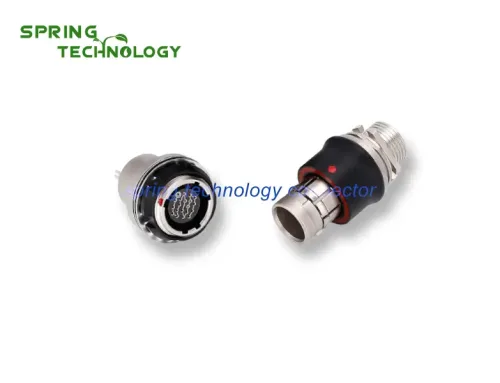
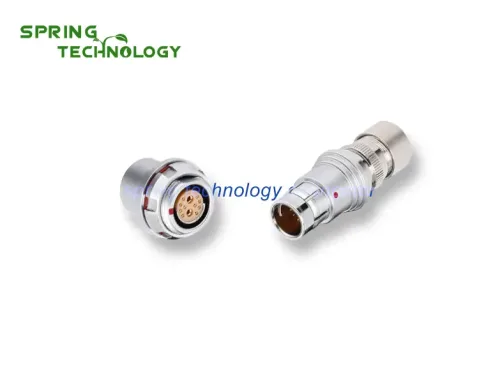
CONNECTOR, domestically also known as connectors, plugs and sockets, generally refers to electrical connectors. A conector is a device that connects two active devices, transmitting current or signals. It is a separable element (except adapters) that is usually installed on a cable supplier or equipment for electrical connection of a transmission line system. This comprehensive guide covers the connector definition, connector advantages, and their critical role in modern electronic systems.
A conector is a kind of component that our electronic engineering technicians often contact. Its function is very simple: build a bridge of communication between the blocked or isolated circuits in the circuit, so that the current flows and the circuit realizes the predetermined function. A conector is an indispensable part in an electronic device. Observe the path of current flow and you will always find one or more connectors.
Global Connector Market Overview 2026: Industry Data and Trends
According to 2026 industry reports, the global electronic connector market reached $85.7 billion USD with a projected CAGR of 5.8% through 2030. Key market drivers include:
- Electric vehicle charging infrastructure (23% market growth)
- 5G telecommunications equipment (18% growth)
- Industrial automation systems (15% growth)
- Consumer electronics miniaturization (12% growth)
- Medical device connectivity (14% growth)
The form and structure of the conector are ever-changing. With different application objects, frequency, power, application environment, etc., there are various types of conectores. For example, the connector for lighting on the court, the connector for the hard drive, and the connector for lighting the rocket are very different. But no matter what kind of conector, we must ensure that the current flows smoothly and reliably.
1. The Basic Definition of Connector: Understanding Core Concepts
o connector definition encompasses several key technical concepts that determine its functionality and application.
1.1 Connector as a Mechanical System
A conector is a mechanical system, which can provide a separable interface to connect two secondary electronic systems, and will not produce unacceptable effects on the operation of the system. The keywords in the connector definition are “mechanical system”, “separable” and “unacceptable effect”. The conector is a mechanical system because it is electrically connected by mechanical methods. As will be discussed, the deflection of the mechanical spring will generate a force between the two parts of the mating, which causes metallic contact between the mating surfaces of the interface.
1.2 Separability: The Foundation of Connector Function
The reason why the application conector is in the first place is that the mating interface is separable. There are many reasons for the need for separability:
- Allows parts or subsystems to be manufactured independently
- Final assembly can be carried out in a major place
- Enables maintenance or upgrades without modifying the entire system
- Supports portability and peripheral expansion
In the rapid development of optoelectronic technology, in the optical fiber system, the carrier for transmitting signals is light. Glass and plastic replace the wires in ordinary circuits, but optical signal conectores are also used in the pathway, and they have the same function as circuit conectores.
1.3 Unacceptable Effects: Performance Boundaries
On the other hand, the separability in the connector definition introduces an additional interface between subsystems. This interface cannot introduce any “unacceptable effects”, especially in the characteristics of the system cannot be affected by telecommunications. These effects include:
- Unacceptable distortion and signal degradation between systems
- Power loss through the connector (calculated in millivolt loss)
- Contact resistance exceeding design specifications
- Signal integrity degradation in high-speed applications
Power loss calculated in millivolt loss will become the main functional design standard, so the power requirements of the motherboard will also increase.
2. Connector Types and Classification 2026
Connector form and structure are ever-changing based on application requirements.
2.1 Connection Method Classification
Common connector types by connection method:
- Board-to-board connectors: Pin headers, mezzanine connectors, high-speed board-to-board
- Wire-to-board connectors: FPC connectors, IDC sockets, terminal blocks
- Wire-to-wire connectors: Circular connectors, rectangular connectors
- I/O connectors: USB, HDMI, Ethernet, D-sub
2.2 Application-Based Classification
Connectors by application environment:
- Commercial grade: Consumer electronics, office equipment (-20°C to +85°C)
- Industrial grade: Industrial automation, control systems (-40°C to +105°C)
- Automotive grade: Vehicle systems, EV charging (-40°C to +125°C)
- Military/Aerospace: Defense, aviation, space applications (-55°C to +150°C)
2.3 Specialized Connector Categories
Advanced conector categories for 2026:
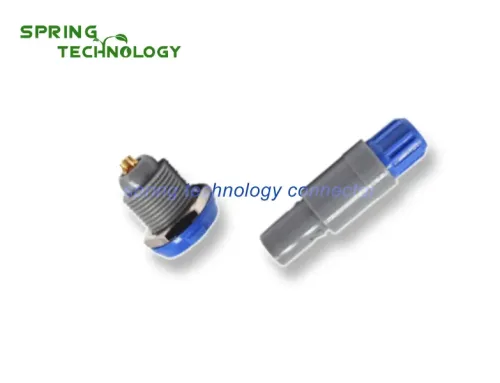
- Push-pull connectors: Quick connect/disconnect for medical, test equipment
- High-speed connectors: PCIe, USB 4.0, Thunderbolt (40+ Gbps)
- High-power connectors: EV charging, industrial power (100-500A)
- RF connectors: 5G telecommunications, antenna systems
3. Connector Advantages: Why Use Connectors in Electronic Design
o connector advantages make them indispensable in modern electronic systems.
3.1 Improve the Production Process
Connectors simplify the assembly process of electronic products. It also simplifies the mass production process:
- Modular assembly enables parallel manufacturing
- Reduces wiring errors and rework
- Enables automated assembly processes
- 68% of high-volume production uses connector-based modular design
3.2 Easy to Repair and Maintain
If an electronic component fails, the failed component can be quickly replaced when the conector is installed:
- Field-replaceable units reduce downtime
- Modular troubleshooting simplifies diagnostics
- Reduced maintenance costs (30-50% savings vs. hardwired systems)
- Standard conector interfaces enable third-party repairs
3.3 Easy to Upgrade and Modernize
With the advancement of technology, the components can be updated when the conector is installed, and the old ones can be replaced with new and more perfect ones:
- Technology refresh without system redesign
- Backward compatibility through adapter conectores
- Future-proofing with standardized interfaces
- Extended product lifecycle (5-10 years typical)
3.4 Improve Design Flexibility
Using conectores gives engineers greater flexibility when designing and integrating new products, and when using components to form systems:
- Modular architecture enables product variants
- Simplified cable routing and management
- Easier testing and validation
- Reduced time-to-market (20-30% faster development)
4. Connector Performance Requirements 2026
Separability requirements and “unacceptability” limits are determined by the application of the conector.
4.1 Mating Cycle Requirements
Separability includes the number of mating cycles. The mating cycle refers to the force that the conector must provide without affecting its performance:
- Internal connectors: 30-100 mating cycles
- Consumer electronics: 500-1000 mating cycles
- Industrial connectors: 1000-5000 mating cycles
- Test/measurement: 5000-10000 mating cycles
4.2 Terminal Count and Density
The number of terminals varies from tens to thousands depending on the use and function of the conector:
- Signal conectores: 2-100 positions typical
- Power conectores: 1-20 high-current positions
- High-density conectores: 100-1000+ positions
- Custom conectores: Application-specific configurations
4.3 Mating Force Considerations
Due to the increase in the number of circuits or functions and the interconnection of conectores, the need for mating force becomes more important:
- Insertion force: 10-50N per contact pair
- Separation force: 5-30N per contact pair minimum
- Total connector force: 30-200N for multi-pin designs
- Ergonomic considerations for frequent mating
5. Connector Materials and Manufacturing 2026
Material selection critically impacts conector performance and reliability.
5.1 Contact Materials
Connector contact material choices:
- Copper alloys: Beryllium copper, phosphor bronze (optimal conductivity/spring)
- Plating: Gold (0.1-5μm), tin, nickel, silver
- High-current: Copper, brass with appropriate plating
- Cost-optimized: Brass, phosphor bronze with selective plating
5.2 Housing Materials
Connector housing material options:
- Thermoplastics: PBT, PA66, LCP (standard applications)
- High-temperature: PPS, PEI (automotive, industrial)
- Flame-retardant: UL94 V-0 rated materials
- Environmental: Halogen-free, RoHS compliant
Conclusion: Understanding Connector Definition and Advantages for Modern Electronics
o connector definition encompasses a mechanical system providing separable electrical interfaces without unacceptable performance effects. Connector advantages include improved production processes, easy repair and maintenance, straightforward upgrades, and enhanced design flexibility. These benefits make conectores indispensable in modern electronic devices across all application segments.
SPRING-CONNECTOR provides comprehensive push-pull connector manufacturing services utilizing optimized designs for demanding applications. Our circular connector product line delivers reliable electrical connectivity for industrial, medical, and military applications requiring precise conector selection and expert engineering support. Understanding the connector definition e connector advantages enables better design decisions for all electronic systems.
Perguntas frequentes (FAQ)
What is the basic definition of a connector?
A connector is a mechanical system that provides a separable interface to connect two electronic systems without producing unacceptable effects on system operation. It enables current or signal transmission between devices while allowing for disconnection when needed.
What are the main advantages of using connectors?
Four primary connector advantages: 1) Improved production process through modular assembly, 2) Easy repair with quick component replacement, 3) Easy upgrade allowing technology updates, 4) Enhanced design flexibility for engineers integrating new products.
How many mating cycles do connectors typically support?
Mating cycle requirements vary by application: internal connectors (30-100 cycles), consumer electronics (500-1000 cycles), industrial connectors (1000-5000 cycles), and test/measurement equipment (5000-10000 cycles).
What does “separable interface” mean in connector definition?
Separable interface means the connector can be disconnected and reconnected without damage. This enables independent manufacturing, maintenance, upgrades, portability, and peripheral expansion of electronic subsystems.
What are unacceptable effects in connector applications?
Unacceptable effects include signal distortion, signal degradation, excessive power loss (millivolt loss), contact resistance exceeding specifications, and any performance degradation that impacts system functionality.
Extended Reading
Explore more technical resources from SPRING-CONNECTOR:
Xi’an Spring Technology Co., Ltd. is a professional push-pull connector manufacturer integrating connector research and development, production and sales.
Contact us for more info and best price: [email protected], [email protected]
Visite o nosso site: https://www.spring-connectors.com/