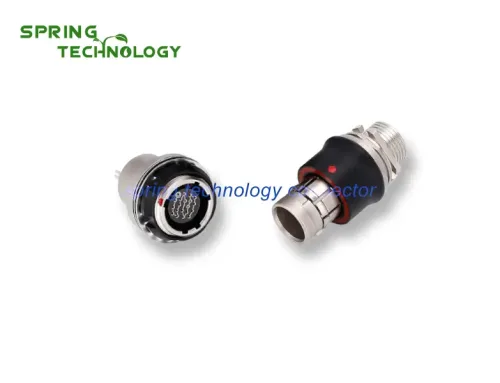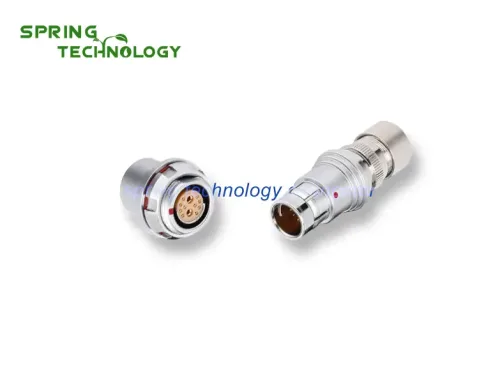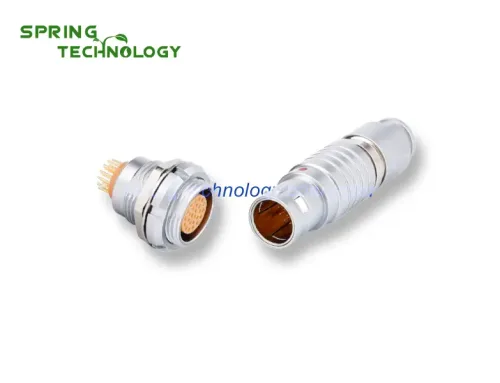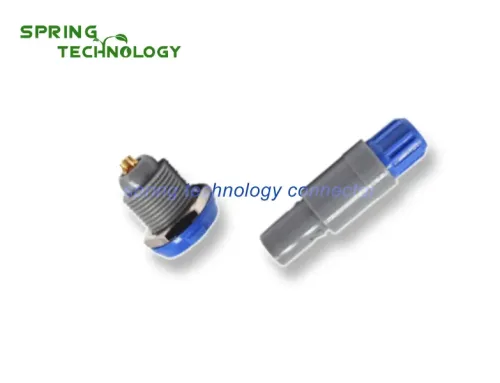


los push-pull circular connector is a specialized cable interconnect system that provides a secure locking mechanism released only by squeezing the connector body—preventing accidental disconnects without requiring rotational force. This self-latching connector technology enables quick plug-in operation and is renowned worldwide for its easy and rapid mating/unmating features, providing absolute security against vibration, shock, or cable pull while facilitating operation in confined spaces.
According to 2025 industry data, the global circular connector market is projected to reach $18.8 billion by 2027, with push-pull connector systems accounting for over 35% of new installations in medical devices, test equipment, and industrial automation. The demand for rapid-connect solutions continues accelerating across sectors requiring reliable, tool-free connections.

What Is a Push-Pull Circular Connector and How Does It Work?
A push-pull circular connector is a type of electrical interconnect that uses a self-latching mechanism for secure, tool-free connection and disconnection. Unlike traditional threaded or bayonet connectors requiring rotational movement, the push-pull self-latching system operates through simple axial motion—push to connect, pull the outer sleeve to disconnect.
Core Components of Push-Pull Connector Design
- Outer Release Sleeve: Movable housing that engages/disengages the latching mechanism
- Internal Latching Fingers: Flexible components that lock into socket groove upon insertion
- Keyway Guidance System: Ensures correct orientation before mating
- Contact Inserts: Gold or copper alloy pins for electrical signal/power transmission
- Housing Material: Nickel-plated brass or aluminum alloy for durability and EMI shielding
Key Advantages of Push-Pull Self-Latching Connectors
1. Rapid Connection and Disconnection
los quick connect connector design enables mating in under 1 second—70% faster than threaded alternatives. This speed advantage is critical in applications requiring frequent connection changes, such as test equipment, medical monitoring, and field service operations.
2. Vibration and Shock Resistance
Once engaged, the self-latching connector maintains secure connection under extreme mechanical stress. The positive locking mechanism prevents accidental disconnection even under 20G vibration conditions, making them ideal for automotive, aerospace, and industrial environments.
3. Space-Efficient Operation
Unlike connectors requiring rotational clearance for mating, push-pull circular connectors operate in confined spaces where axial access is the only option. This compact operation enables installation in dense equipment racks and tight enclosures.
4. Intuitive One-Hand Operation
The ergonomic design allows single-hand mating and unmating, essential for medical procedures, field repairs, and situations where the operator’s other hand is occupied. Tactile and audible click confirmation ensures proper engagement.
5. High Durability and Long Service Life
Premium industrial connectors with push-pull latching are rated for 5,000-10,000 mating cycles without performance degradation. Gold-plated contacts maintain low resistance under 5mΩ throughout the connector lifecycle.

La serie B ofrece un conector multipolar circular modular, ergonómico, resistente y confiable para aplicaciones que necesitan un enganche Push-Pull rápido y seguro. Por lo que es una opción ideal para aplicaciones de prueba y medición, instrumentación, dispositivos médicos, investigación y audio/video.
Push-Pull Connector Series Comparison
B Series Connectors
los B Series push-pull connector provides modular, ergonomic, and rugged circular multipole connections for applications requiring quick and secure latching. Key features include:
- 2-64 contact configurations
- IP67 sealing when mated
- Keying options to prevent mismating
- Cable diameter range: 3-15mm
- Operating temperature: -55°C to +200°C
F Series Micro-Circular Connectors

The F series micro-circular high-density connector features a split-type push-pull structure with self-locking function after plugging. A semi-circular positioning piece prevents errors through multi-party positioning system that prevents wrong insertion and removal on the same core number, and also provides blind insertion capability for convenient, quick use.
F Series technical highlights:
- High-density contact arrangement (up to 32 contacts in miniature housing)
- Split-type push-pull latching mechanism
- Anti-misinsertion keying system
- Blind-mating capability
- Applications: Military equipment, medical devices, test equipment, audio systems, data acquisition, industrial control, aerospace
Industry Applications and Use Cases
Medical Devices
Push-pull circular connectors are extensively used in medical equipment where rapid, secure disconnection is critical for patient safety. Applications include surgical robots, patient monitoring equipment, diagnostic imaging, defibrillators and life support systems.
Test and Measurement
Test equipment requires frequent connection changes and reliable signal integrity. Self-latching connectors provide quick probe and sensor attachment, vibration-resistant connections for portable testers, high-density signal transmission, and EMI/RFI shielding for precision measurements.
Industrial Automation
Manufacturing environments demand rugged, reliable connections. Industrial push-pull connectors serve robotic arm cable management, PLC and control system interfaces, sensor networks and data acquisition, and machine vision systems.
Telecommunications and Broadcast
5G infrastructure and broadcast equipment utilize circular connectors for RF signal transmission, fiber optic connections, outdoor antenna systems (IP67/IP68 rated), and mobile broadcast units.
Defense and Aerospace
Military and aerospace applications require extreme reliability. Push-pull connectors meet MIL-DTL-38999 specifications, wide temperature range operation, salt spray and corrosion resistance, and high-altitude and vacuum compatibility.
2026 Market Trends in Push-Pull Connector Technology
los circular connector industry continues evolving with several key developments:
- Miniaturization: Demand for smaller form factors while maintaining current capacity (30% size reduction since 2020)
- Hybrid Configurations: Combined power, signal, and fiber optic contacts in single connector housings
- Smart Connectors: Integrated sensors for connection monitoring and predictive maintenance
- High-Speed Data: Support for USB 3.2, Ethernet 10GbE, and PCIe protocols in ruggedized packages
- Sustainable Materials: Recyclable housing materials and RoHS-compliant contact plating
- Modular Designs: Field-replaceable inserts and contact configurations for reduced inventory costs
Technical Specifications and Performance Standards
Electrical Performance
- Current Rating: Up to 50A per contact (power variants)
- Voltage Rating: Up to 5kV for high-voltage applications
- Contact Resistance: Under 5mΩ initial, under 10mΩ after environmental testing
- Insulation Resistance: Over 5000MΩ at 500VDC
- Shielding Effectiveness: Over 65dB at 10GHz for EMI/RFI protection
Environmental Ratings
- IP Rating: IP67/IP68/IP69K available for harsh environment applications
- Temperature Range: -55°C to +200°C depending on contact material
- Salt Spray Resistance: 500+ hours (IEC 60068-2-52)
- Mating Cycle Life: 5,000-10,000 cycles (depending on contact plating)
Conclusion
los push-pull circular connector represents a mature yet continuously evolving technology that addresses critical connection challenges across multiple industries. Its unique self-latching mechanism provides an unmatched combination of speed, security, and reliability—enabling rapid tool-free connections while preventing accidental disconnection under extreme conditions.
When selecting a push-pull connector for your application, consider factors including environmental requirements, electrical specifications, mating cycle expectations, contact density, and total cost of ownership. Proper specification ensures optimal performance throughout the product lifecycle while minimizing downtime and maintenance costs.
As industrial automation, medical technology, telecommunications, and aerospace continue advancing, the demand for high-performance circular connectors with rapid-connect capabilities will only increase. Understanding the fundamental principles of push-pull self-latching systems enables engineers to make informed decisions for their specific interconnection requirements.
Preguntas frecuentes (FAQ)
Q1: What is the main advantage of push-pull connectors over threaded connectors?
A: Push-pull circular connectors offer 70% faster connection time (under 1 second vs 3-5 seconds), one-hand operation, and no rotational clearance requirement. The self-latching mechanism prevents accidental disconnection while enabling quick release when needed.
Q2: How do I know if the push-pull connector is properly locked?
A: Proper engagement is confirmed by an audible click and tactile feedback when the internal latching fingers snap into the socket groove. Visual inspection shows the outer sleeve fully seated. Attempting to pull the cable (not the release sleeve) should not disconnect the connector.
Q3: Can push-pull connectors be used in high-vibration environments?
A: Yes, the self-latching connector design specifically addresses vibration concerns. The positive locking mechanism prevents accidental disconnection even under 20G vibration conditions, making them ideal for automotive, aerospace, and industrial applications.
Q4: What is the typical mating cycle life of push-pull connectors?
A: High-quality push-pull connectors with gold-plated contacts are rated for 5,000-10,000 mating cycles. Actual lifespan depends on operating environment, contact plating thickness, and proper mating/unmating technique.
Q5: Are push-pull connectors waterproof?
A: Most industrial circular connectors offer IP67 or IP68 protection ratings when mated. Some models provide IP69K rating for high-pressure washdown applications. Always verify the specific IP rating for your environmental requirements.
Extended Reading
- ¿Cómo funciona el conector circular push-pull? – Detailed explanation of the self-latching mechanism and mating process
- Connector Plating Guide: Gold vs Nickel vs Tin Plating – Understanding plating materials and selection criteria
- Aprende a distinguir conectores, terminales y conectores. – Fundamental connector terminology and classification guide