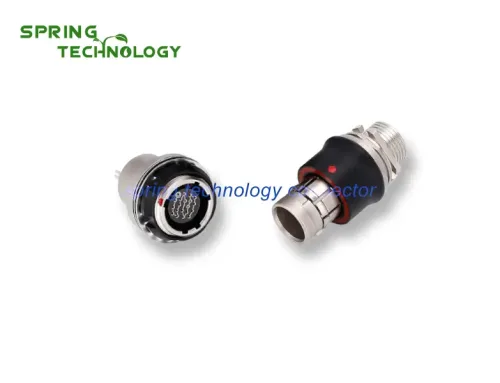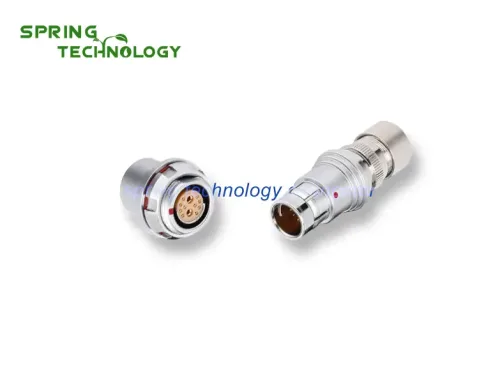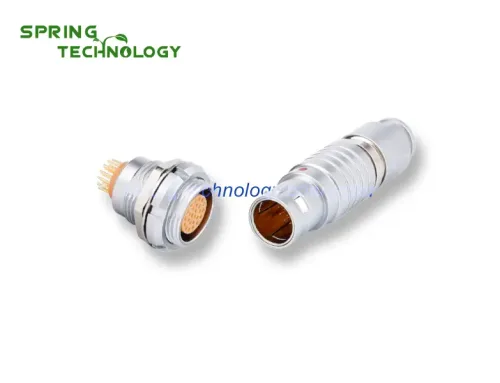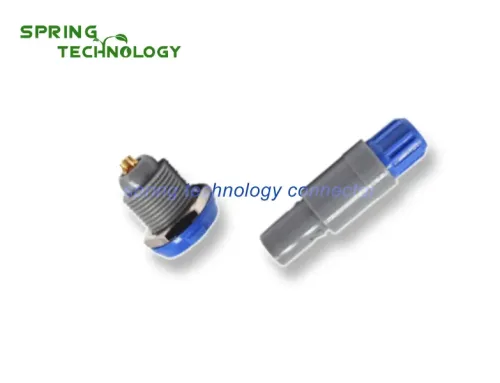


los push-pull circular connector represents one of the most innovative connection solutions in modern industrial applications. This self-latching connector system is renowned worldwide for its easy and quick mating and unmating features, providing absolute security against vibration, shock, or pull on the cable while facilitating operation in very limited spaces.
According to industry data from 2025, the global circular connector market is projected to reach $18.8 billion by 2027, with push-pull connector technology accounting for over 35% of new industrial installations. The demand for rapid-connect solutions continues to grow across medical devices, telecommunications, defense systems, and industrial automation sectors.

What Is a Push-Pull Self-Latching Connector System?
A push-pull self-latching system is an advanced quick connect connector technology that enables secure electrical connections through a simple axial motion. Unlike traditional threaded or bayonet connectors, the push-pull circular connector eliminates the need for rotation or tools during connection and disconnection.
Key Advantages of Push-Pull Technology
- Rapid Connection: Mating time reduced by up to 70% compared to threaded connectors
- Vibration Resistance: Maintains connection integrity under extreme mechanical stress (up to 20G vibration)
- Space Efficiency: Operates in confined spaces where rotational clearance is limited
- Intuitive Operation: Single-hand operation with tactile and audible confirmation
- High Durability: Rated for 5,000+ mating cycles without performance degradation
How Does the Push-Pull Connector Mating Process Work?
Understanding the connector mating mechanism is essential for proper application and maintenance. The self-latching connector system operates through a precisely engineered sequence of mechanical interactions.
Step 1: Initial Alignment and Insertion
los push-pull circular connector features keyway guidance that ensures correct orientation before insertion. As the plug approaches the socket, internal guides align the contacts automatically, preventing misalignment damage.
Step 2: Latching Mechanism Engagement

Acoplamiento
El sistema de enganche automático push-pull permite que el conector se acople simplemente empujando el enchufe axialmente en la toma.

When Connected
The plug has an outer sleeve, with flexible fingers, which slides forward and backwards along the plug body

Pulling the Cable
The bevelled edges of the fingers are forced into the groove, securing the connection. Once firmly latched, connection cannot be broken by pulling on the cable

Desacoplamiento
Pulling on the outer sleeve of the plug unlocks the latching mechanism. When required, the connector is disengaged by a single axial pull on the outer release sleeve
Step 3: Secure Locking Confirmation
When the circular connector reaches full engagement, the internal latching fingers snap into the retention groove with an audible click. This positive locking mechanism ensures the industrial connector remains secure even under extreme cable strain or vibration conditions.
Technical Specifications and Performance Data
Environmental Ratings
- IP Rating: IP67/IP68/IP69K available for harsh environment applications
- Temperature Range: -55°C to +200°C depending on contact material
- Salt Spray Resistance: 500+ hours (IEC 60068-2-52)
- Shielding Effectiveness: >65dB at 10GHz for EMI/RFI protection
Electrical Performance
- Current Rating: Up to 50A per contact (power variants)
- Voltage Rating: Up to 5kV for high-voltage applications
- Contact Resistance: <5mΩ initial, <10mΩ after environmental testing
- Insulation Resistance: >5000MΩ at 500VDC
Industry Applications and Use Cases
Medical Devices
los push-pull connector is extensively used in medical equipment where rapid disconnection is critical for patient safety. Surgical robots, patient monitors, and diagnostic imaging systems benefit from the intuitive one-hand operation and reliable locking mechanism.
Industrial Automation
Manufacturing facilities deploy self-latching connectors on robotic arms, PLC systems, and sensor networks. The vibration-resistant design ensures continuous operation in high-speed production environments where downtime costs exceed $10,000 per hour.
Telecommunications
5G infrastructure and fiber optic networks utilize quick connect connectors for rapid deployment and maintenance. The sealed design protects sensitive contacts from dust and moisture in outdoor installations.
Defense and Aerospace
Military specifications (MIL-DTL-38999) incorporate push-pull circular connector technology for field equipment requiring blind-mating capability and extreme environmental resistance.
2026 Market Trends and Future Developments
los circular connector industry continues to evolve with several emerging trends:
- Miniaturization: Demand for smaller form factors while maintaining current capacity (30% size reduction since 2020)
- Hybrid Configurations: Combined power, signal, and fiber optic contacts in single industrial connector housings
- Smart Connectors: Integrated sensors for connection monitoring and predictive maintenance
- Sustainable Materials: Recyclable housing materials and RoHS-compliant contact plating
- High-Speed Data: Support for USB 3.2, Ethernet 10GbE, and PCIe protocols in ruggedized packages
Conclusion
los push-pull circular connector represents a mature yet continuously evolving technology that addresses critical connection challenges across multiple industries. Its unique self-latching mechanism provides unmatched combination of speed, security, and reliability.
When selecting a push-pull connector for your application, consider factors including environmental requirements, electrical specifications, mating cycle expectations, and total cost of ownership. Proper specification ensures optimal performance throughout the product lifecycle.
As industrial automation, medical technology, and telecommunications continue advancing, the demand for high-performance circular connectors with rapid-connect capabilities will only increase. Understanding the fundamental connector mating principles enables engineers to make informed decisions for their specific applications.
Preguntas frecuentes (FAQ)
Q1: How many mating cycles can a push-pull connector withstand?
A: High-quality push-pull circular connectors are rated for 5,000 to 10,000 mating cycles without performance degradation. Actual lifespan depends on operating environment and proper maintenance practices.
Q2: Can push-pull connectors be used in high-vibration environments?
A: Yes, the self-latching connector design specifically addresses vibration concerns. The positive locking mechanism prevents accidental disconnection even under 20G vibration conditions, making them ideal for automotive, aerospace, and industrial applications.
Q3: What is the difference between push-pull and bayonet connectors?
A: Push-pull connectors require only axial motion for connection/disconnection, while bayonet connectors need rotational movement. Push-pull systems offer faster operation (typically <1 second vs 3-5 seconds) and work in confined spaces where rotation is impossible.
Q4: Are push-pull connectors waterproof?
A: Most industrial connector variants offer IP67 or IP68 protection ratings when mated. Some models provide IP69K rating for high-pressure washdown applications. Always verify the specific IP rating for your environmental requirements.
Q5: Can I mix different brands of push-pull connectors?
A: Generally no. Circular connector dimensions and latching mechanisms are proprietary to each manufacturer. For reliable connections, use matching plug and socket from the same product series.
Extended Reading
- Aprende a distinguir conectores, terminales y conectores. – Understanding fundamental connector terminology and classifications
- Los conectores automotrices tienen requisitos estrictos para la resistencia a la temperatura de los materiales. – Exploring environmental challenges in connector design
- ¿Cuáles son las formas comunes de falla de los terminales del conector? – Troubleshooting guide for connector maintenance and reliability